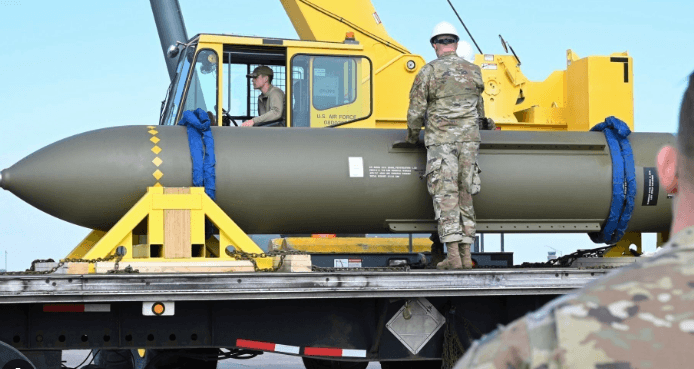
US military planners have developed new strike options that could include the GBU-43/B Massive Ordnance Air Blast bomb, according to American officials cited by CNN. Used in combat, it would mark the first time the weapon has been dropped in a war since it was built, and would represent a notable escalation. The options reportedly cover Iranian energy infrastructure and nuclear facilities, and would apply only if President Trump orders operations to resume.
Contingency planning is routine in any military, and nothing reported so far shows a decision to attack. But leaks of this kind are also a form of signalling, and Tehran has answered in kind. Parliament Speaker Mohammad Bagher Ghalibaf said Iran will combine its military capabilities with negotiations to press its demands, a formula that keeps both pressure and diplomacy on the table.
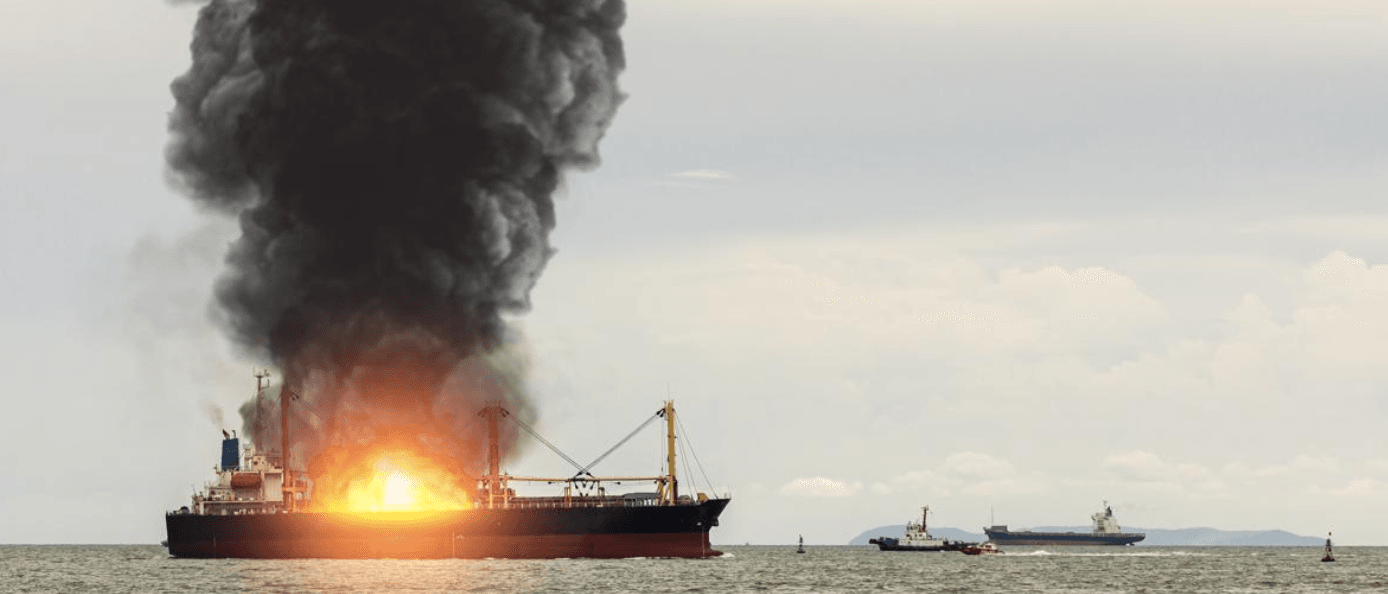
The practical questions are heavy. Deeply buried sites test even the biggest conventional munitions, and strikes on energy facilities would ripple through Gulf production, shipping and prices. Neighbouring states that host US forces or depend on tanker traffic would be the first to feel any retaliation.
For markets, the lesson is that headline risk remains high even during a pause in fighting. Watch for official confirmation or denial from Washington, any change in the pace of diplomacy, and the posture of Gulf governments, whose airspace and ports would be central to any renewed campaign.