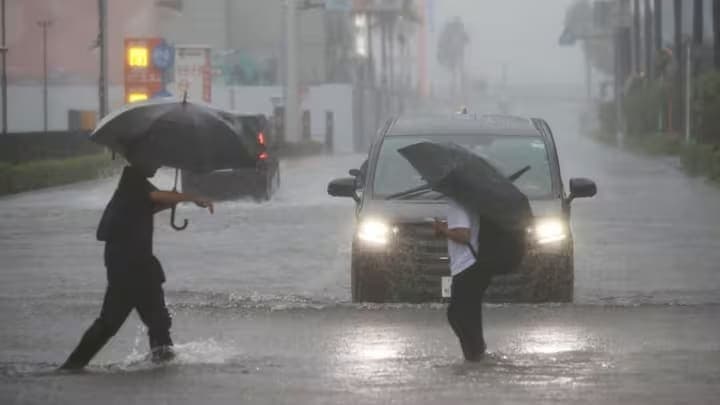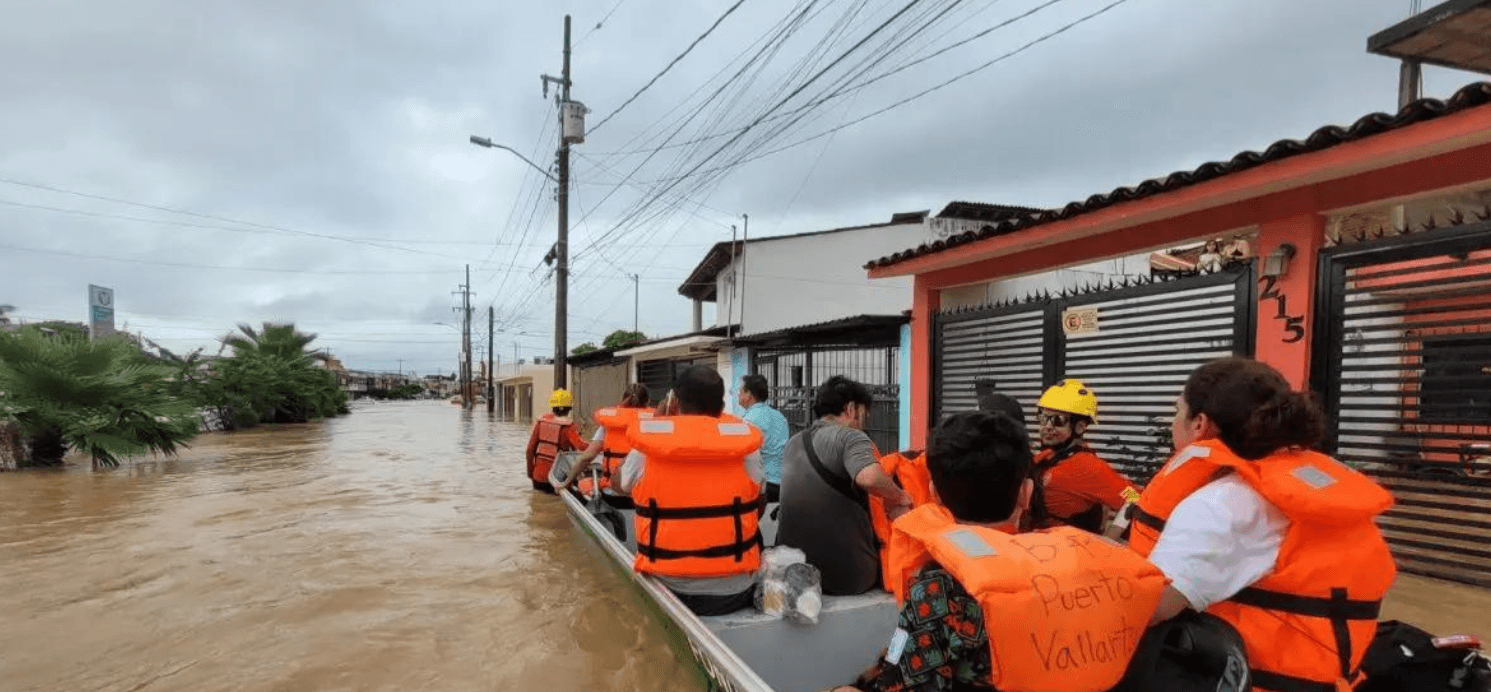
Two tropical weather systems have brought renewed disruption to Mexico's Pacific coast, prompting emergency response efforts as communities face flooding, damaged infrastructure and hazardous travel conditions.
A report published by The Guardian on October 13 said Hurricane Simon and Tropical Storm Rachel had killed five people along Mexico's Pacific coast. Security personnel were using helicopters to rescue people as the storms caused infrastructure damage and flash flooding.
The combined impact of the weather systems highlights the challenges authorities face when heavy rainfall and strong winds affect multiple communities over a short period. Flash floods can develop rapidly, leaving residents with limited time to reach safer ground. Floodwater can also damage roads, interrupt transportation and isolate settlements from emergency services.
The risks are particularly serious in low-lying areas, locations near rivers and communities where drainage systems struggle to accommodate intense rainfall. Even after a storm weakens, swollen waterways, unstable slopes and damaged electrical infrastructure can continue to threaten residents.
Emergency teams typically prioritize search-and-rescue operations, medical assistance and the restoration of essential services. Residents may also need temporary shelter, clean drinking water and access to reliable information about evacuation routes and road closures.
The latest reports underscore the importance of timely weather alerts and coordinated disaster management. Local authorities must assess damage, identify vulnerable communities and determine whether further evacuations are necessary as conditions evolve.
For affected businesses and households, recovery may take longer than the immediate emergency response. Repairs to transport links and public infrastructure can disrupt tourism, local trade and access to basic services.
The full extent of the damage and the longer-term recovery needs will depend on updated assessments from emergency authorities. Residents are advised to follow official weather warnings and avoid flooded roads or fast-moving water while response operations continue.