Zum Hauptinhalt springen

Live-Marktdaten werden geladen

DubaiUnited Arab Emirates
--:--:--Wetter wird geladen
LondonUnited Kingdom
--:--:--Wetter wird geladen
New YorkUnited States
--:--:--Wetter wird geladen
São PauloBrazil
--:--:--Wetter wird geladen
LagosNigeria
--:--:--Wetter wird geladen
JohannesburgSouth Africa
--:--:--Wetter wird geladen
CairoEgypt
--:--:--Wetter wird geladen
MumbaiIndia
--:--:--Wetter wird geladen
SingaporeSingapore
--:--:--Wetter wird geladen
TokyoJapan
--:--:--Wetter wird geladen
SydneyAustralia
--:--:--Wetter wird geladen
Mexico CityMexico
--:--:--Wetter wird geladen
Marktdaten von ENOSIntel Markets

Russia's Place in the G20 Becomes a New Flashpoint for Global Diplomacy

European opposition to restoring Moscow's standing exposes divisions over sanctions, economic cooperation and the future of international institutions.

Dieser Bericht wird in der Originalsprache angezeigt; eine Übersetzung ist noch nicht verfügbar.

Neueste Aktualisierung: 2 min read0
Russia's Place in the G20 Becomes a New Flashpoint for Global Diplomacy
Zusammenfassung

A dispute over Russia's international role illustrates how geopolitical conflicts can complicate cooperation on debt, trade, financial stability and global economic growth.

Article contextKey signals, sources and related coverage
Desk
Welt
Country
Russland
Sources recorded
0
Independent sources
0
Published
Last updated

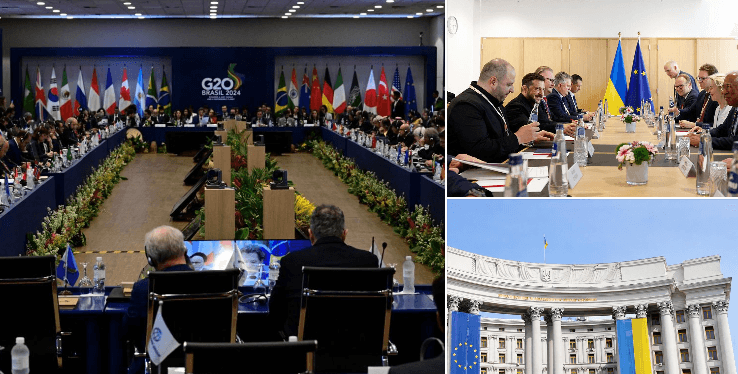
International economic forums are designed to bring governments together around shared challenges, but Russia's participation has become a source of renewed disagreement. On October 15, Germany warned against restoring Russia to a normal role within the Group of Twenty, citing continuing concerns over Moscow's war against Ukraine.

The disagreement comes as Russian Finance Minister Anton Siluanov participates in G20-related discussions in Bangkok. The distinction between attending a meeting and being fully reintegrated into international political cooperation is important: governments may interact within multilateral institutions while continuing to disagree over sanctions and diplomatic recognition.

Germany's position reflects a wider European argument that normalising Russia's international standing without meaningful progress on the conflict would weaken political pressure on Moscow. Other governments, however, may prioritise maintaining communication channels, particularly when discussions concern global economic risks that cannot easily be managed without major economies.

The stakes extend beyond symbolism. The G20 provides a forum for discussing financial stability, sovereign debt, international taxation, development finance and the effects of geopolitical shocks on trade. Disagreements between members can make coordinated responses more difficult, particularly when energy prices and sanctions are already affecting business decisions.

Ukraine's financial requirements add another dimension. European governments have committed substantial assistance, while discussions continue over how to sustain the country's public services, infrastructure and defence needs. Disputes over frozen Russian sovereign assets also raise complicated questions involving international law, ownership and the potential use of funds for reconstruction.

For emerging economies, the debate can create a difficult balancing act. Governments may want access to trade and investment opportunities while avoiding political choices that could damage relations with important partners.

The immediate challenge is whether international institutions can preserve practical cooperation without allowing participation to become a substitute for resolving the underlying conflict.

The broader lesson is that economic diplomacy cannot be entirely separated from security. When governments disagree over fundamental political questions, even technical discussions about finance and growth become more difficult.
Zuletzt aktualisiert: 16. Oktober 2026 um 01:20

Wie hilfreich war dieser Bericht für Sie?

Wählen Sie eine Antwort. Sie können sie jederzeit ändern oder entfernen.

Artikelreaktionen0

Angemeldete Auswahl wird Ihrem Konto zugeordnet. Anonyme Auswahl verwendet ein datenschutzfreundliches Cookie; ENOSIntel erstellt keine Leser-Fingerprints.

Korrekturen und Aktualisierungen

Für diesen Bericht wurden keine öffentlichen Korrekturen erfasst.

KorrekturrichtlinieFehler melden oder Rechteprüfung anfordern

UN-Generalversammlung 2026: New York wird zum Zentrum globaler Diplomatie, während die Staats- und Regierungschefs zusammenkommen
WeltUSA

UN-Generalversammlung 2026: New York wird zum Zentrum globaler Diplomatie, während die Staats- und Regierungschefs zusammenkommen

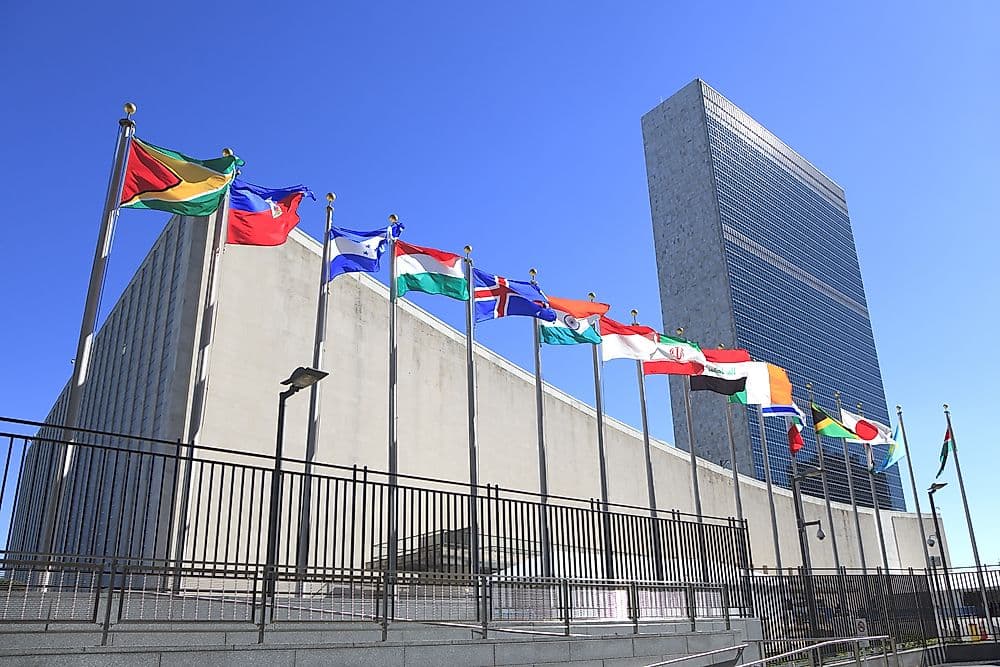
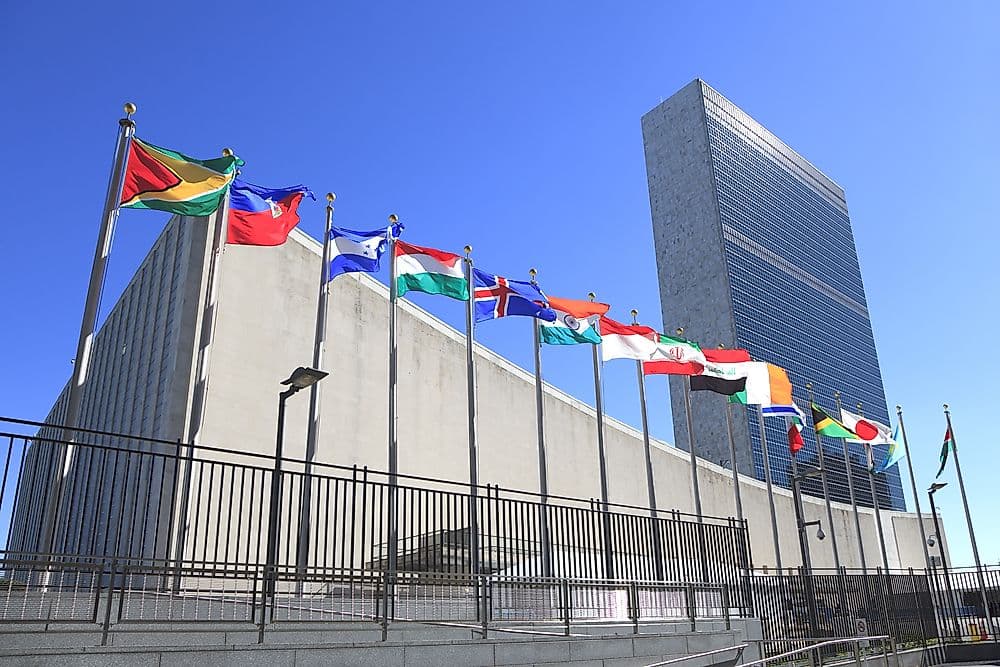
New York hat sich zum Zentrum der globalen Diplomatie entwickelt, da sich die Staats- und Regierungschefs der Welt zur 81. Generalversammlung der Vereinten Nationen versammeln. Internationale Sicherheit, wirtschaftliche Entwicklung, Klimadruck und multilaterale Zusammenarbeit dominieren eine vollgepackte Woche mit Reden und diplomatischen Treffen.

Weltweit führende Politiker versammeln sich bei den Vereinten Nationen, während Kriege, wirtschaftliche Belastungen und globale Spannungen die Agenda dominieren.
WeltUSA

Weltweit führende Politiker versammeln sich bei den Vereinten Nationen, während Kriege, wirtschaftliche Belastungen und globale Spannungen die Agenda dominieren.

Weltweit führende Politiker versammeln sich in New York zur Generalversammlung der Vereinten Nationen inmitten erhöhter geopolitischer Spannungen, andauernder Kriege, wirtschaftlicher Unsicherheit und wachsendem Druck auf internationale Institutionen, auf ein zunehmend fragmentiertes globales Umfeld zu reagieren.