Unidentified projectiles and an explosion off Oman have sent two merchant vessels to the bottom, deepening fears for the world's most important oil chokepoint.
Article contextKey signals, sources and related coverage
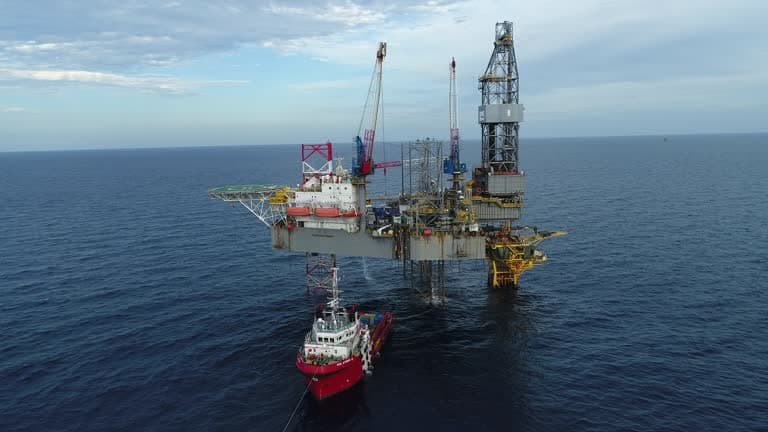
The Cape Dao, a large container ship already crippled by a September attack that killed one sailor, sank on Wednesday after being struck again near the Strait of Hormuz. Its crew were evacuated safely, but the vessel carried about 2,500 containers, and many are now drifting through shipping lanes. A second ship, the GFS Pride, sank a day after an explosion off the coast of Oman. Early reporting describes unknown projectiles and does not formally attribute each strike.
The sinkings arrive as Iran is described as stepping up attacks in and around the waterway. Roughly a fifth of the world's oil and liquefied natural gas normally passes through Hormuz, so every new casualty raises the question of whether insurers and owners will keep sending ships through at all.
Floating containers add a practical hazard of their own. They can damage hulls, foul propellers and complicate salvage, and they remain a risk long after the headlines fade. Navies and port authorities will need to chart and clear the debris before traffic can normalise.
For the Africa–Gulf corridor the stakes are direct. Refined fuel, food and manufactured goods move between Gulf hubs and African ports on these same routes, and higher war-risk premiums travel quickly into freight rates and shelf prices. Traders should watch insurer notices, rerouting through Red Sea and Omani ports, and any naval escort announcements over the coming days.
ENOSIntel Intelligence
Zuletzt aktualisiert: 15. Oktober 2026 um 23:31
Leserperspektive
Wie hilfreich war dieser Bericht für Sie?
Wählen Sie eine Antwort. Sie können sie jederzeit ändern oder entfernen.
Artikelreaktionen0
Angemeldete Auswahl wird Ihrem Konto zugeordnet. Anonyme Auswahl verwendet ein datenschutzfreundliches Cookie; ENOSIntel erstellt keine Leser-Fingerprints.
Redaktionelle Verantwortung
Korrekturen und Aktualisierungen
Für diesen Bericht wurden keine öffentlichen Korrekturen erfasst.
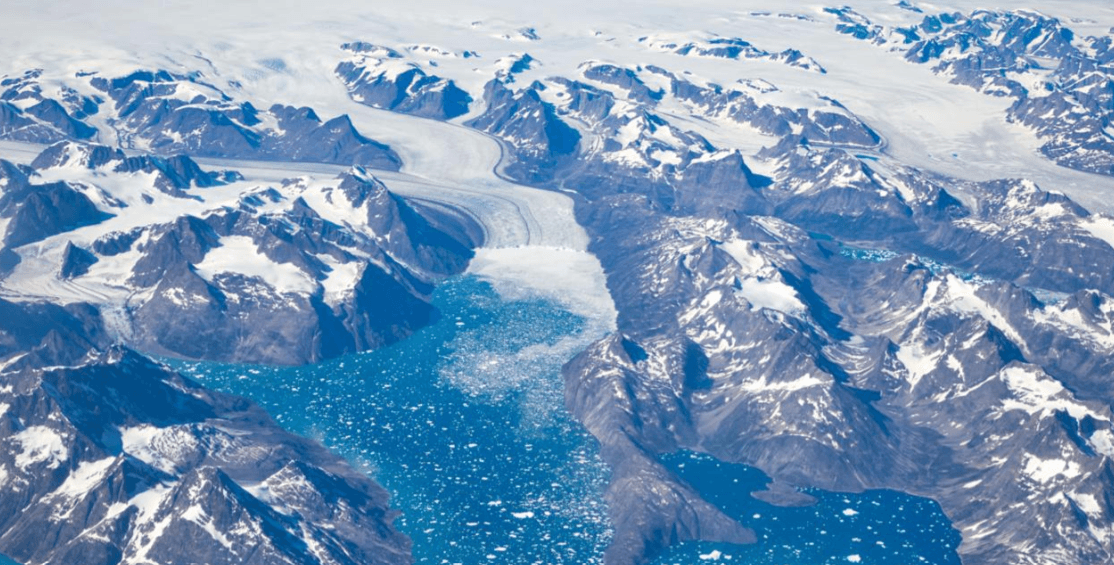
President Donald Trump outlines plans to explore Greenland's oil, gas and mineral resources following a diplomatic arrangement aimed at strengthening American security cooperation in the Arctic.
Die globalen Ölpreise stiegen am Dienstag, wobei Brent-Rohöl über 100 Dollar pro Barrel gehandelt wurde, da die Anleger die Möglichkeit von Gesprächen zwischen den USA und dem Iran sowie die anhaltenden Spannungen im Nahen Osten und die Störungen der internationalen Energieversorgung im Auge behielten.
Technologieaktien führten die Kursgewinne an den wichtigsten asiatischen Märkten an, da die Anleger die Zinserwartungen, die sinkenden Ölpreise und die Aussichten auf eine erneute Annäherung zwischen den USA und China bewerteten.