Germany's private sector continued expanding in October 2026, although the latest business survey indicated that the pace of growth had weakened compared with the previous month.
The preliminary S&P Global Composite Purchasing Managers' Index fell to 52.8 from 53.8 in September, remaining above the 50-point threshold that separates expansion from contraction.
The reading was also below the 53.3 forecast by economists surveyed by Reuters, suggesting that business activity was less robust than anticipated.
Despite the slowdown, October marked the fourth consecutive month in which the composite indicator remained in expansion territory. Manufacturing and services diverge The survey revealed differences between Germany's two principal private-sector activities.
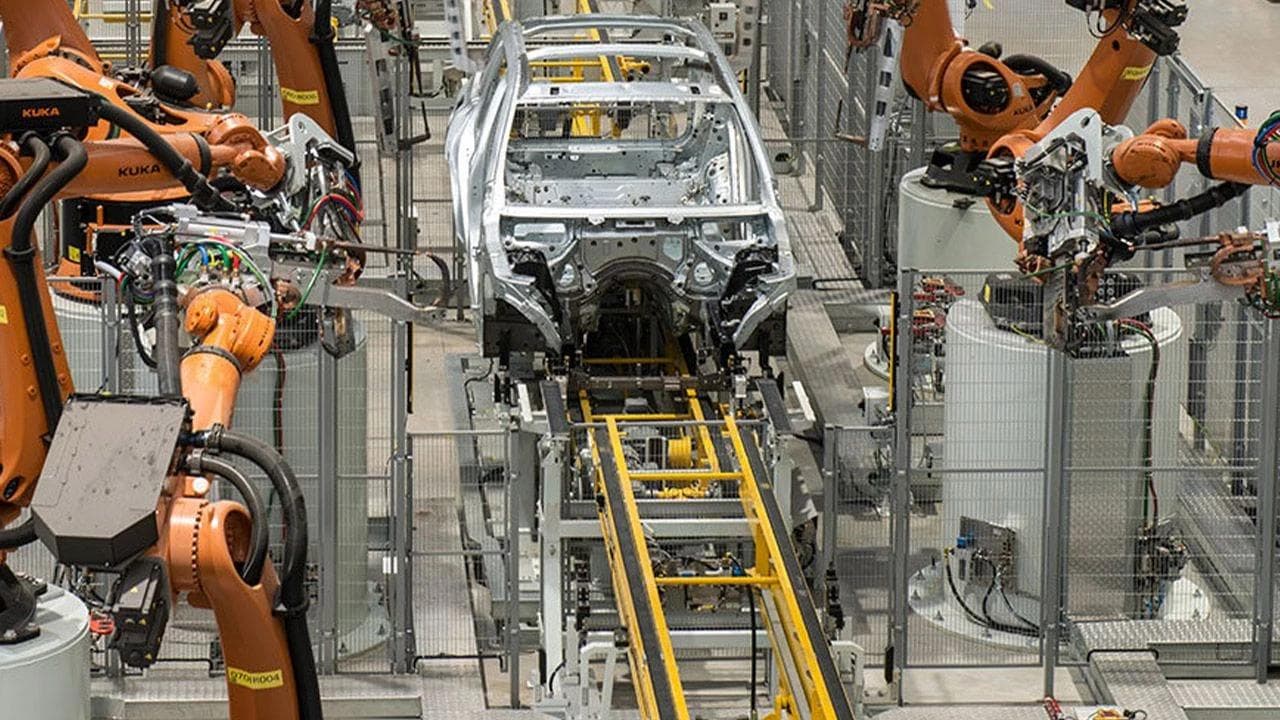
Manufacturing showed relative resilience, with its purchasing managers' index rising to 54.2, supported by continued demand for German industrial products.
The services sector presented a weaker picture. Its index declined from 52.9 in September to 51.7 in October, reflecting slower activity as some customers delayed decisions and businesses faced tighter budgets.
This divergence matters because Germany's economy depends on both internationally competitive manufacturing businesses and a substantial domestic services industry.
Although industrial performance can benefit from overseas demand, weaker domestic spending may limit the broader recovery. Business confidence remains mixed Survey findings indicated that new business increased only modestly across the private sector.
Manufacturers also faced concerns about input costs and future demand, even as their current activity improved.
Businesses generally remained optimistic about output over the coming year, but expectations differed between industries.
The survey additionally suggested that prices charged by businesses increased at their slowest rate in seven months, a development that may be relevant to the wider European inflation outlook.
However, slower price increases do not necessarily mean that overall price levels are falling. Why the figures matter internationally Germany is Europe's largest economy and an important centre for manufacturing, industrial technology, automotive production and international trade.
Changes in German business activity can therefore influence suppliers, exporters and investors across Europe and beyond.
A sustained improvement in manufacturing could support employment and industrial investment, while continued weakness in services could restrict overall economic momentum.
The latest data suggest that Germany has made progress towards recovery but has not yet established consistently strong growth.
Future surveys, official output figures and business investment trends will help determine whether the current expansion becomes more durable.