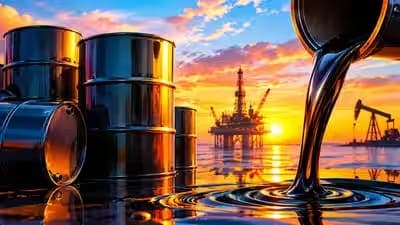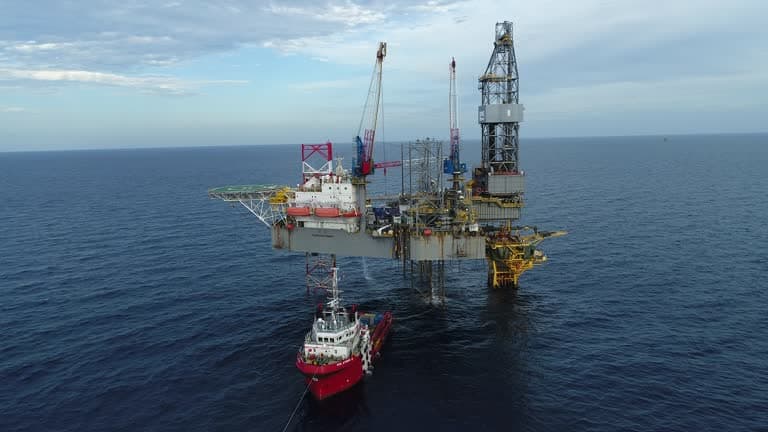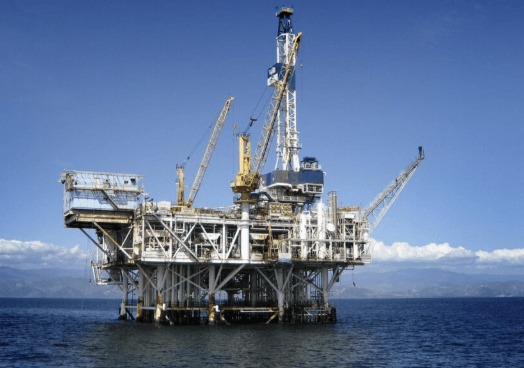
Nigeria’s oil and gas industry is one of the most important sectors of the country’s economy. Nigeria has significant reserves of crude oil and natural gas, making the petroleum industry an important source of export earnings and government revenue. The sector also supports many businesses and provides opportunities for employment and investment.
Crude Oil Production
Nigeria has been producing crude oil for several decades, with much of its petroleum activity concentrated in the Niger Delta and offshore areas. Nigerian crude oil is exported to international markets, where its value is influenced by global oil prices. The industry has also encouraged the development of supporting sectors such as engineering, transportation, construction, logistics, and equipment services.
However, oil production faces several challenges. These include pipeline vandalism, oil theft, aging infrastructure, operational disruptions, and environmental concerns. Addressing these issues is important for improving production and attracting long-term investment.
Natural Gas Opportunities
Natural gas is another major component of Nigeria’s energy resources. Gas can be used for electricity generation, industrial production, domestic consumption, and international exports. Nigeria also has an established liquefied natural gas industry, allowing natural gas to be transported to international markets.
Greater investment in gas processing, pipelines, storage, and electricity infrastructure could help Nigeria make better use of its natural gas resources. Reducing gas flaring and increasing domestic gas supplies are also important areas of development.
Economic Importance
The oil and gas industry contributes to Nigeria’s foreign exchange earnings and public finances. It also creates direct and indirect economic opportunities for local businesses and communities. Government reforms, including changes to the petroleum regulatory framework, aim to improve investment, regulation, transparency, and participation by Nigerian companies.
Future of the Industry
Nigeria’s oil and gas sector has significant potential, but its future will depend on investment, effective regulation, infrastructure development, security, and responsible environmental management. At the same time, changing global energy markets mean that Nigeria can benefit from developing natural gas while also diversifying its economy and investing in other productive sectors.
Overall, oil and gas will remain an important part of Nigeria’s economy, while sustainable development and economic diversification can help create long-term opportunities for the country.