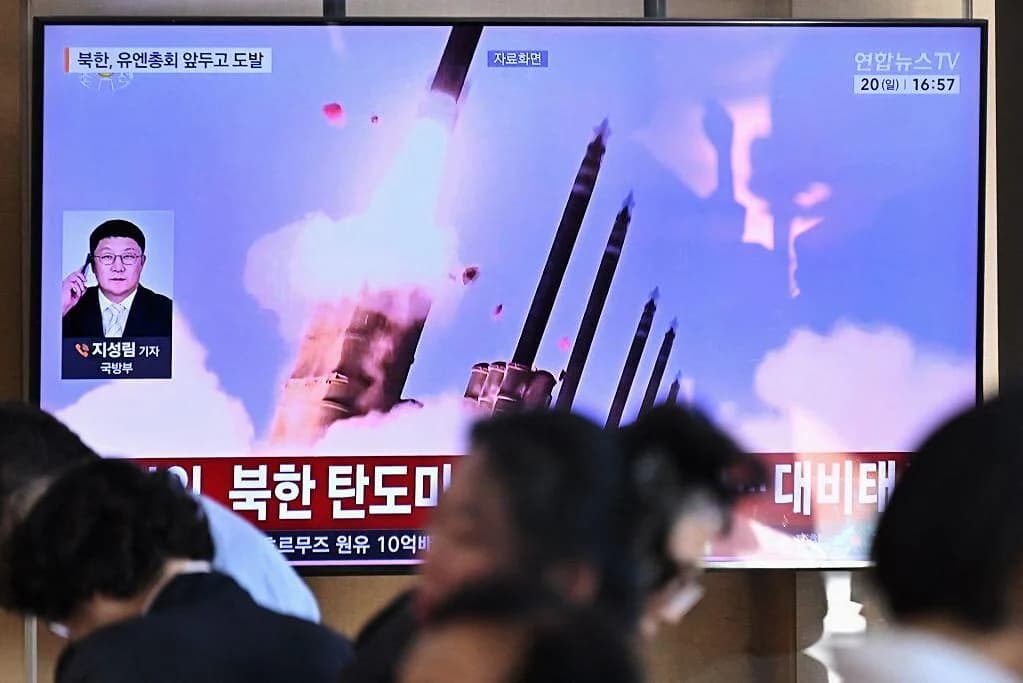
North Korea has carried out its first underwater-launched missile tests in nearly three years, marking another development in the country's efforts to expand its military capabilities and strengthen its strategic deterrence.
The launches took place on Wednesday, 14 October, according to North Korean state media, with details reported by the Associated Press on Thursday.
The Korean Central News Agency said the military tested two types of strategic cruise missiles in waters off the country's eastern coastline.
North Korean authorities described the exercise as an assessment of underwater combat readiness and the reliability of the country's nuclear deterrent.
However, the state news agency did not explicitly identify the platform used to launch the missiles.
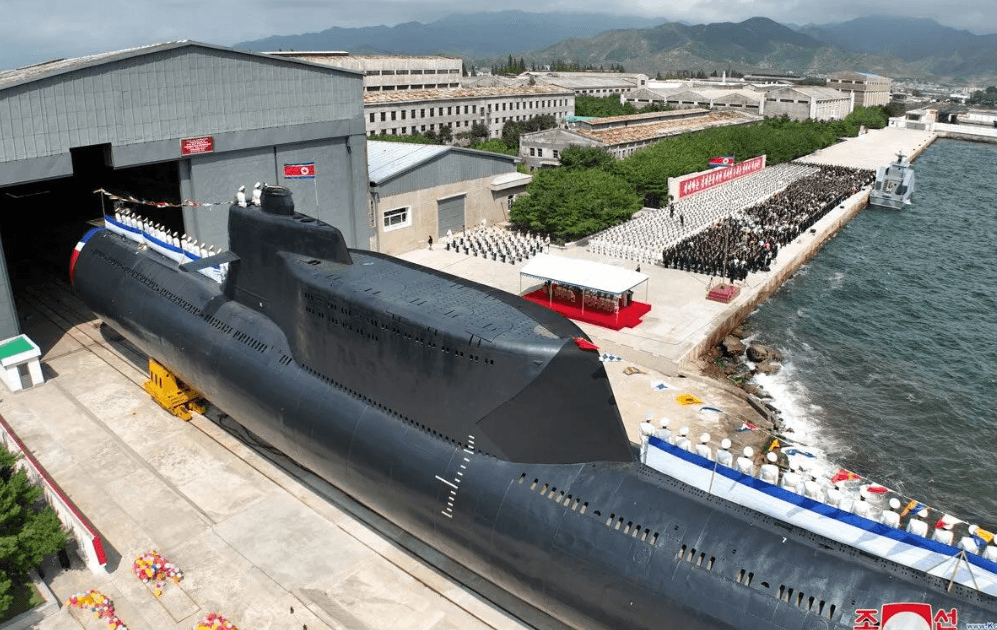
Photographs released alongside the announcement suggested that the military may have used the Hero Kim Kun Ok submarine, a vessel unveiled in 2023 and described by Pyongyang as capable of carrying nuclear weapons.
The submarine attracted considerable attention when it was first presented because analysts questioned whether its design could deliver the operational capabilities claimed by North Korean officials.
The latest tests may indicate progress in the country's efforts to develop underwater launch systems, although independent verification of their performance remains limited.
Submarine-launched missiles present particular security challenges because underwater platforms can be more difficult to detect and monitor than fixed land-based launch facilities.
A credible submarine-based weapons capability could complicate military planning for neighbouring countries and potentially increase the survivability of North Korea's strategic forces.
The development comes amid continued tensions between Pyongyang, Washington and Seoul over North Korea's nuclear weapons programme.
Diplomatic negotiations intended to limit or dismantle the programme have remained stalled, while North Korea has continued testing advanced weapons.
Military analysts believe Pyongyang is attempting to strengthen its negotiating position by demonstrating capabilities that could increase the costs of military confrontation.
The country has also conducted other weapons demonstrations in recent months, including tests involving advanced missile technologies.
For South Korea and Japan, the expansion of North Korea's missile capabilities presents additional challenges for national defence planning.
Both countries maintain close security relationships with the United States and rely on combinations of surveillance, missile defence and military cooperation to respond to regional threats.
The latest announcement is likely to attract attention from defence officials assessing the potential implications for maritime security in Northeast Asia.
Nevertheless, important questions remain about the submarine's operational readiness, the reliability of its launch systems and the actual performance of the tested missiles.
North Korea's claims have not been independently verified in full.
The launches underline the continuing difficulty of reducing military tensions on the Korean Peninsula and the importance of monitoring developments in the region's strategic balance.