Washington and Beijing navigate difficult relationship
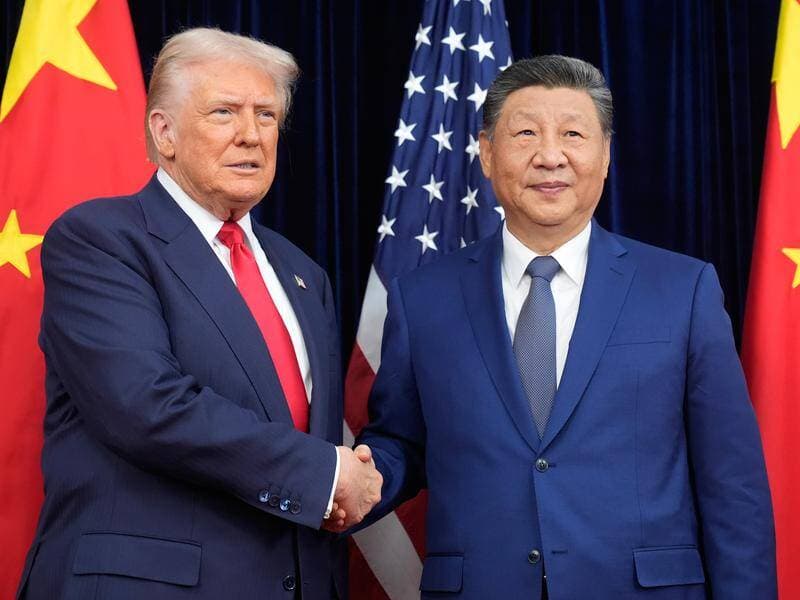
WASHINGTON — Relations between the United States and China are again in global focus as President Donald Trump hosts Chinese President Xi Jinping during a period of heightened technological and economic competition between the world's two largest economies.
The discussions come as both governments seek to prevent disagreements over trade, artificial intelligence and international security from causing a broader deterioration in bilateral relations.
Artificial intelligence has become an increasingly significant area of competition.
Washington has maintained restrictions affecting access to advanced technology, while Beijing continues to expand China's domestic semiconductor and AI capabilities.
At the same time, officials from both countries have continued discussions aimed at establishing mechanisms for communication over significant AI-related incidents.
Trade and geopolitical tensions remain
Trade remains another major area of disagreement despite efforts by both governments to stabilise economic relations.
The two countries continue to use targeted restrictions affecting companies, technology and strategically important industries.
Taiwan also remains one of the most sensitive issues in the relationship, alongside differences over Iran and broader security questions in the Indo-Pacific.
Despite these disagreements, diplomatic engagement between Trump and Xi provides both governments with an opportunity to maintain communication and address areas where limited cooperation may remain possible.
Financial markets, technology companies and governments worldwide are closely following the discussions because decisions taken by Washington and Beijing can influence global supply chains, semiconductor markets, investment and international trade.
The talks are therefore likely to be watched not only for potential agreements but also for indications of how the world's two largest economies intend to manage their long-term strategic competition.