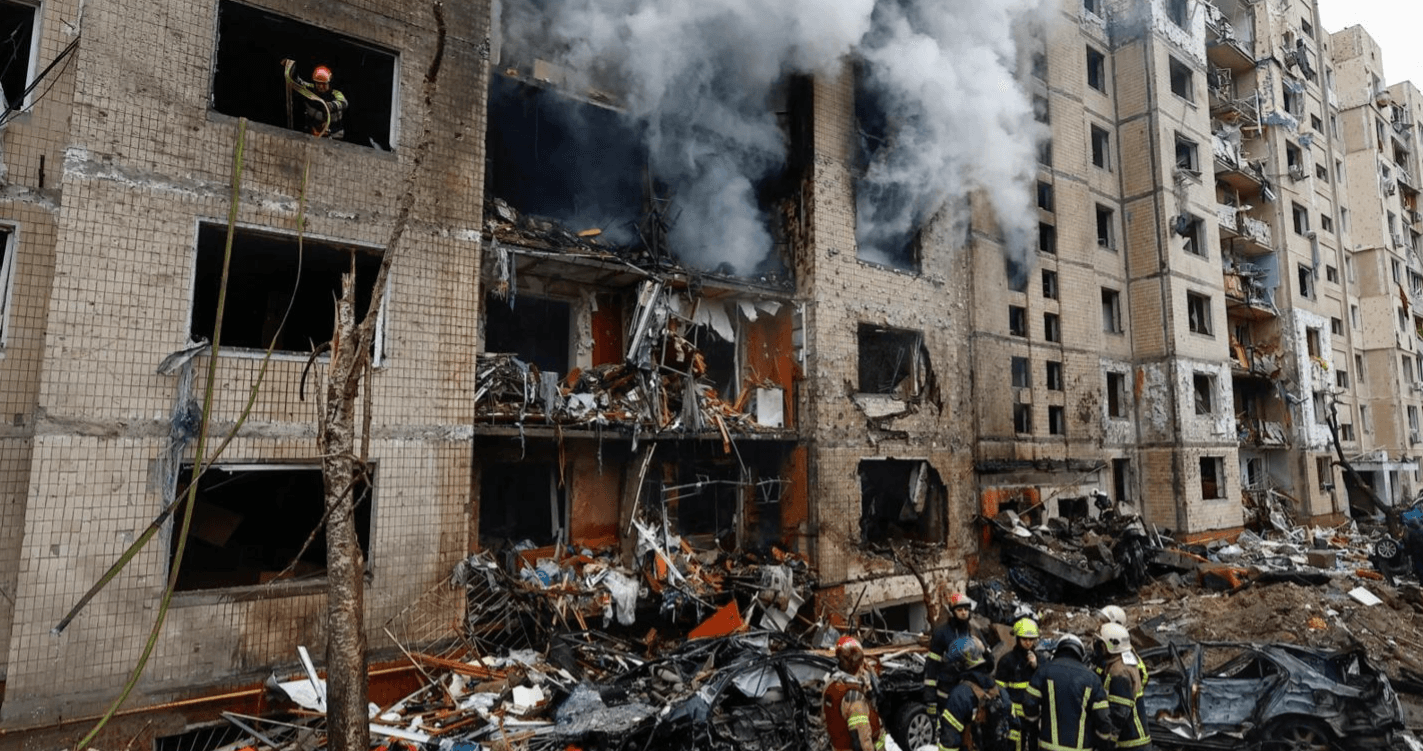
Ukraine has renewed concerns about its ability to defend civilian infrastructure after President Volodymyr Zelenskyy said the country did not receive advance intelligence from international partners before Russian ballistic missile strikes targeting Kyiv.
According to the Associated Press, Zelenskyy's comments on October 13 highlighted growing concerns about the effectiveness of international coordination at a time when Ukraine continues to face missile and drone attacks. The Ukrainian president stressed the importance of timely intelligence in helping authorities prepare air defences and protect civilians.
The latest developments come amid uncertainty surrounding a proposed energy ceasefire announced by US President Donald Trump. Ukrainian officials reported continued attacks on energy infrastructure, raising questions about whether efforts to reduce strikes against critical facilities would produce meaningful results.
Energy infrastructure has become a central concern in the conflict because damage to power plants and related facilities can affect households, hospitals, businesses and essential public services. Repeated attacks can also complicate repairs and increase pressure on emergency response teams, particularly as colder weather approaches.
The diplomatic implications are equally significant. Ukraine relies on international partners for military assistance, intelligence cooperation and economic support. Any uncertainty surrounding those arrangements could influence its defensive planning and its position in future negotiations.
Russia has maintained that its strikes target military logistics and infrastructure supporting Ukraine's war effort. Kyiv, meanwhile, continues to emphasize the threat posed to civilian areas and essential services.
For international governments, the challenge remains balancing diplomatic pressure with continued support for Ukraine's security. The coming days may provide a clearer indication of whether negotiations can produce practical protections for energy facilities or whether the conflict will continue to place critical infrastructure at risk.