Siirry pääsisältöön

Ladataan reaaliaikaisia markkinatietoja

DubaiUnited Arab Emirates
--:--:--Säätä ladataan
LondonUnited Kingdom
--:--:--Säätä ladataan
New YorkUnited States
--:--:--Säätä ladataan
São PauloBrazil
--:--:--Säätä ladataan
LagosNigeria
--:--:--Säätä ladataan
JohannesburgSouth Africa
--:--:--Säätä ladataan
CairoEgypt
--:--:--Säätä ladataan
MumbaiIndia
--:--:--Säätä ladataan
SingaporeSingapore
--:--:--Säätä ladataan
TokyoJapan
--:--:--Säätä ladataan
SydneyAustralia
--:--:--Säätä ladataan
Mexico CityMexico
--:--:--Säätä ladataan
Markkinatiedot: ENOSIntel Markets

Iran Escalates Maritime Pressure as Global Shipping Faces Renewed Threats

Changing military tactics around the Strait of Hormuz raise fresh concerns over oil supplies, commercial vessels and international security.

Raportti näytetään alkuperäisellä kielellä; käännöstä ei ole vielä saatavilla.

Viimeisin päivitys: 2 min read0
Yhteenveto

Growing maritime tensions involving Iran are threatening one of the world's most important energy corridors. New tactics targeting shipping routes could increase oil-market volatility and complicate international efforts to restore regional stability.

Article contextKey signals, sources and related coverage
Country
Iran
Sources recorded
0
Independent sources
0
Published
Last updated

International shipping security is facing renewed pressure as Iran reportedly intensifies efforts to disrupt maritime traffic around the Strait of Hormuz, a strategic waterway essential to global energy supplies. The latest developments are raising concerns among governments, shipping companies and energy markets about the economic consequences of prolonged instability in the Middle East.

According to a report by Reuters published on October 14, Iranian officials described changes in the country's maritime tactics, including expanded operations beyond the Strait of Hormuz into the Gulf of Oman and waters near Qatar and the United Arab Emirates. The report also described the use of small boats for surveillance following damage to Iranian radar capabilities during earlier military strikes.

The Strait of Hormuz is particularly important because a substantial share of internationally traded oil and other energy products normally passes through the narrow passage. Any sustained disruption can increase transportation costs, complicate tanker operations and create uncertainty for countries that depend heavily on imported fuel.

The consequences extend beyond the energy industry. Higher oil prices can contribute to inflation by increasing the cost of transportation, manufacturing and electricity. Shipping companies may also face higher insurance premiums or be forced to reconsider routes and schedules when security risks rise.

For governments, the challenge is to protect commercial vessels without triggering a wider military confrontation. Diplomatic negotiations, maritime monitoring and coordination among regional and international partners could all influence what happens next.

The situation remains fluid, and further developments will depend on military decisions, diplomatic contacts and the ability of international actors to reduce the risks facing commercial shipping.

With global energy markets already sensitive to geopolitical uncertainty, developments around the Strait of Hormuz are likely to remain a major international concern.
Viimeksi päivitetty: 14. lokakuuta 2026 klo 4.21

Miten tämä raportti palveli sinua?

Valitse yksi vastaus. Voit muuttaa tai poistaa sen milloin tahansa.

Artikkelireaktiot0

Kirjautuneiden valinnat tallennetaan tilille. Anonyymit valinnat käyttävät yksityisyyttä suojaavaa evästettä; ENOSIntel ei sormenjäljitä lukijoita.

Korjaukset ja päivitykset

Raportista ei ole kirjattu julkisia korjauksia.

KorjauskäytäntöIlmoita virheestä tai pyydä oikeuksien tarkistusta

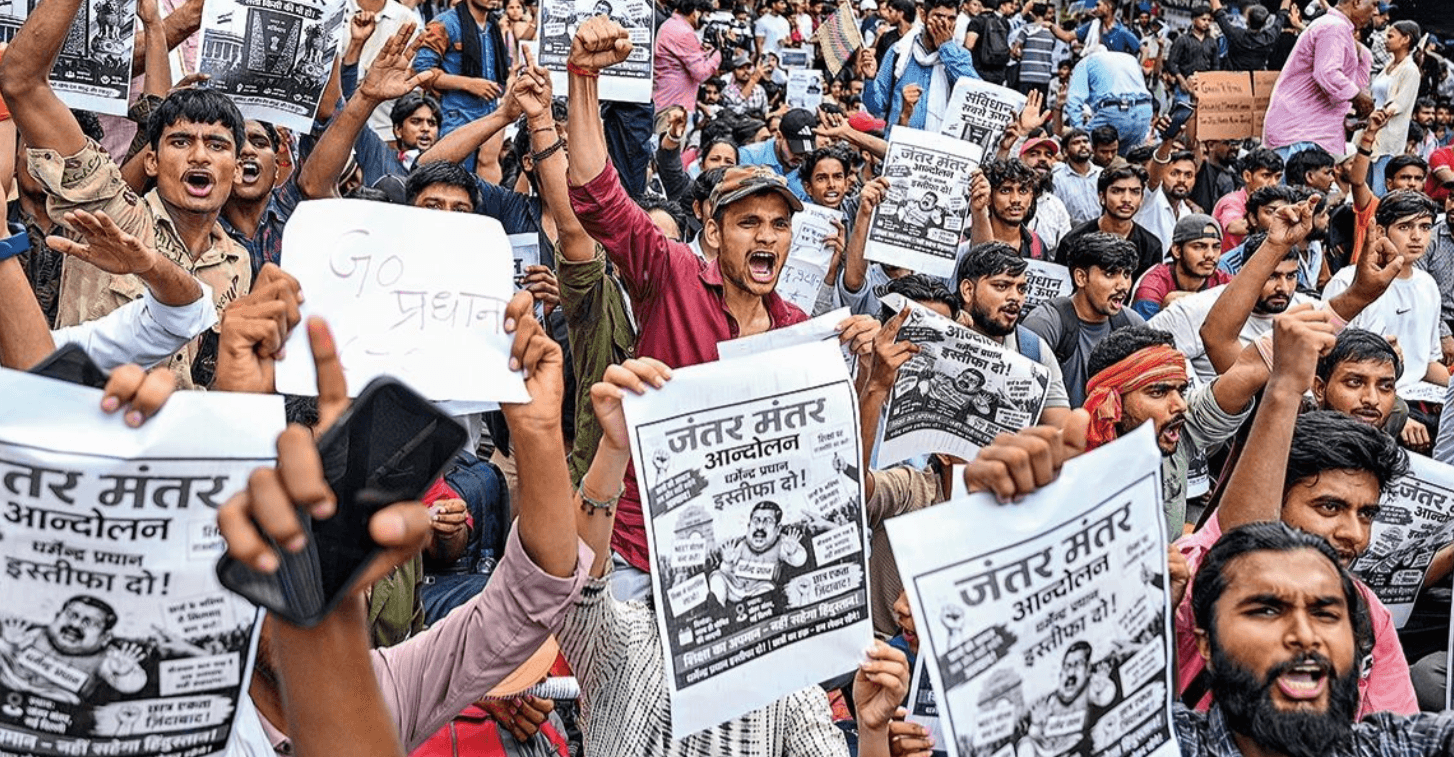
India Faces Growing Political Pressure as Youth-Led Protests Challenge Electoral Changes
PolitiikkaIND

India Faces Growing Political Pressure as Youth-Led Protests Challenge Electoral Changes

Alkuperäinen kieli: englanti

India is experiencing growing political unrest as youth-led demonstrators and opposition groups question changes to electoral rolls. The dispute over voter registrations has intensified calls for accountability and placed election administration under renewed scrutiny.