Vai al contenuto principale

Caricamento dei dati di mercato in diretta

DubaiUnited Arab Emirates
--:--:--Caricamento meteo
LondonUnited Kingdom
--:--:--Caricamento meteo
New YorkUnited States
--:--:--Caricamento meteo
São PauloBrazil
--:--:--Caricamento meteo
LagosNigeria
--:--:--Caricamento meteo
JohannesburgSouth Africa
--:--:--Caricamento meteo
CairoEgypt
--:--:--Caricamento meteo
MumbaiIndia
--:--:--Caricamento meteo
SingaporeSingapore
--:--:--Caricamento meteo
TokyoJapan
--:--:--Caricamento meteo
SydneyAustralia
--:--:--Caricamento meteo
Mexico CityMexico
--:--:--Caricamento meteo
Dati di mercato di ENOSIntel Markets

BBC Seeks Court Order for Trump's Deposition in High-Profile Defamation Case

A dispute over scheduling testimony has added a new procedural confrontation to a lawsuit involving allegations about a BBC documentary.

Il servizio è mostrato nella lingua originale; una traduzione non è ancora disponibile.

Ultimo aggiornamento: 2 min read1
BBC Seeks Court Order for Trump's Deposition in High-Profile Defamation Case
Sintesi

The legal battle between US President Donald Trump and the BBC is intensifying as lawyers argue over whether Trump should provide testimony before the discovery period closes.

Article contextKey signals, sources and related coverage
Sources recorded
0
Independent sources
0
Published
Last updated

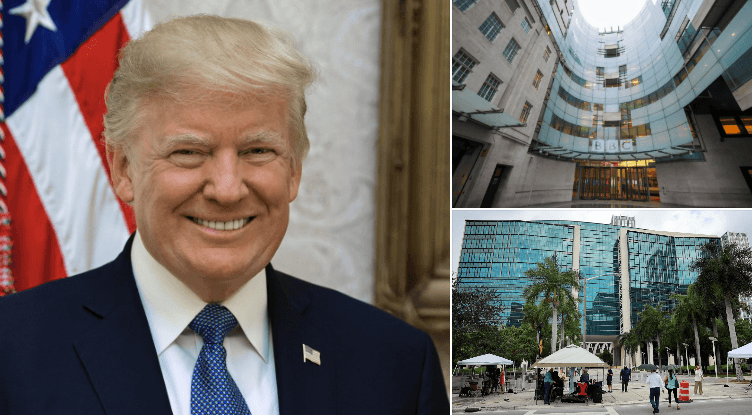
A high-profile legal dispute between US President Donald Trump and the BBC has entered another contentious phase after the broadcaster asked a Florida court to compel Trump to sit for a deposition.

The case concerns a documentary titled Trump: A Second Chance. Trump alleges that the programme misleadingly edited portions of his January 6, 2021, speech and seeks $10 billion in damages. The BBC has acknowledged problems with the editing and apologized, but disputes the claim that the programme amounted to defamation.

AP News

The latest disagreement concerns the timetable for collecting evidence. BBC lawyers said a deposition previously discussed for October 16 had been cancelled by Trump's team, which cited matters of national importance. According to the court filing described in the report, Trump's lawyers proposed January 2027, after the scheduled discovery period would have ended.

A deposition is sworn testimony taken before trial. It allows opposing lawyers to question a party and gather evidence relevant to the case. Disputes over scheduling can become consequential when deadlines approach, although a court must consider the applicable rules and arguments before deciding whether to order a particular course of action.

The case carries broader implications for the relationship between political figures and news organizations. It raises questions about editorial accuracy, the legal standards for defamation and the responsibilities of broadcasters when presenting material from politically sensitive events.

At the same time, the allegations remain disputed. A lawsuit does not establish that defamation occurred, and procedural developments should not be presented as a final ruling on the merits.

The next significant milestone will be the court's response to the BBC's request and any subsequent scheduling decisions. The outcome may affect how the parties gather evidence and prepare their arguments.

Ultimo aggiornamento: 16 ottobre 2026 alle ore 01:39

Quanto ti è stato utile questo rapporto?

Scegli una risposta. Puoi modificarla o rimuoverla in qualsiasi momento.

Reazioni all’articolo0

Le scelte degli utenti registrati usano l’account. Quelle anonime usano un cookie rispettoso della privacy; ENOSIntel non identifica i lettori tramite fingerprinting.

Correzioni e aggiornamenti

Non sono state registrate correzioni pubbliche per questo rapporto.

Politica sulle correzioniSegnala un errore o richiedi una verifica dei diritti

PoliticaIRN

Iran Escalates Maritime Pressure as Global Shipping Faces Renewed Threats

Lingua originale: inglese

Growing maritime tensions involving Iran are threatening one of the world's most important energy corridors. New tactics targeting shipping routes could increase oil-market volatility and complicate international efforts to restore regional stability.