Unidentified projectiles and an explosion off Oman have sent two merchant vessels to the bottom, deepening fears for the world's most important oil chokepoint.
Article contextKey signals, sources and related coverage
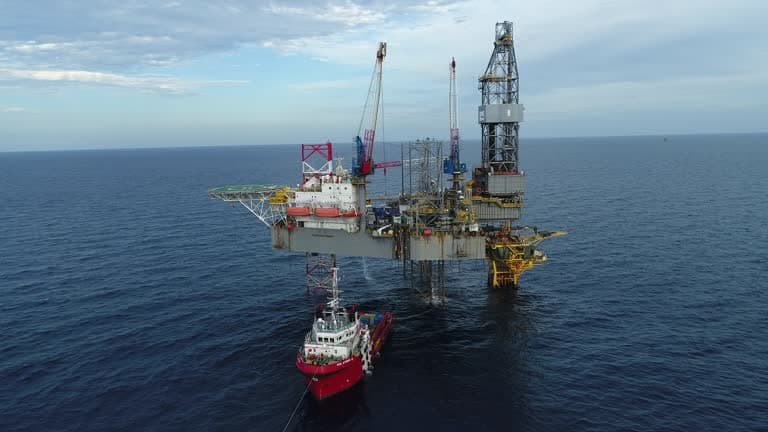
The Cape Dao, a large container ship already crippled by a September attack that killed one sailor, sank on Wednesday after being struck again near the Strait of Hormuz. Its crew were evacuated safely, but the vessel carried about 2,500 containers, and many are now drifting through shipping lanes. A second ship, the GFS Pride, sank a day after an explosion off the coast of Oman. Early reporting describes unknown projectiles and does not formally attribute each strike.
The sinkings arrive as Iran is described as stepping up attacks in and around the waterway. Roughly a fifth of the world's oil and liquefied natural gas normally passes through Hormuz, so every new casualty raises the question of whether insurers and owners will keep sending ships through at all.
Floating containers add a practical hazard of their own. They can damage hulls, foul propellers and complicate salvage, and they remain a risk long after the headlines fade. Navies and port authorities will need to chart and clear the debris before traffic can normalise.
For the Africa–Gulf corridor the stakes are direct. Refined fuel, food and manufactured goods move between Gulf hubs and African ports on these same routes, and higher war-risk premiums travel quickly into freight rates and shelf prices. Traders should watch insurer notices, rerouting through Red Sea and Omani ports, and any naval escort announcements over the coming days.
ENOSIntel Intelligence
Ultimo aggiornamento: 15 ottobre 2026 alle ore 23:31
Prospettiva del lettore
Quanto ti è stato utile questo rapporto?
Scegli una risposta. Puoi modificarla o rimuoverla in qualsiasi momento.
Reazioni all’articolo0
Le scelte degli utenti registrati usano l’account. Quelle anonime usano un cookie rispettoso della privacy; ENOSIntel non identifica i lettori tramite fingerprinting.
Responsabilità editoriale
Correzioni e aggiornamenti
Non sono state registrate correzioni pubbliche per questo rapporto.
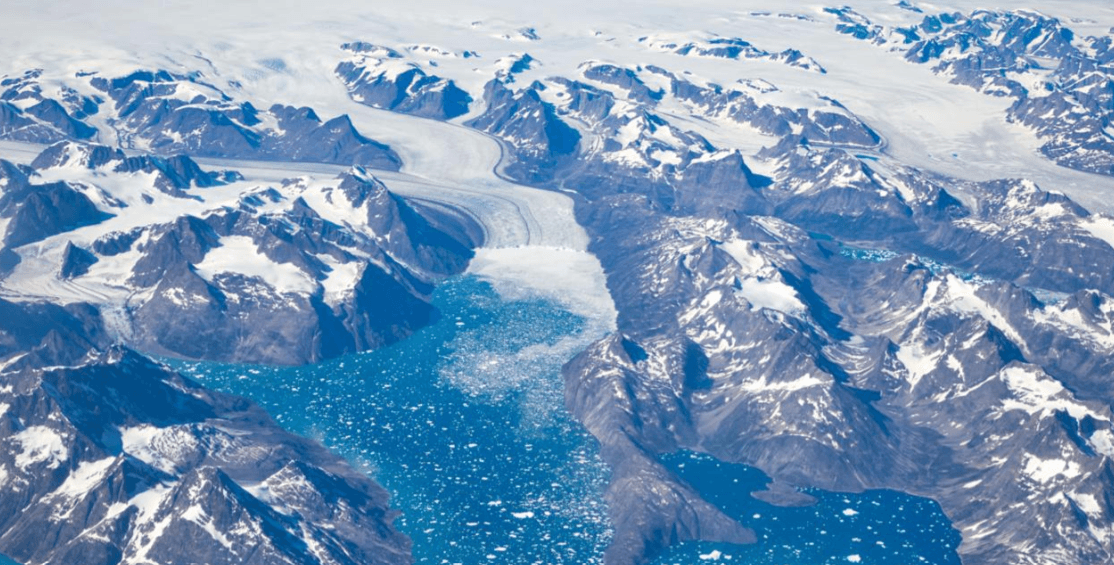
President Donald Trump outlines plans to explore Greenland's oil, gas and mineral resources following a diplomatic arrangement aimed at strengthening American security cooperation in the Arctic.
Martedì i prezzi globali del petrolio sono aumentati, con il Brent scambiato sopra i 100 dollari al barile, mentre gli investitori monitoravano la possibilità di colloqui tra Stati Uniti e Iran, unitamente alle continue tensioni in Medio Oriente e alle interruzioni che stanno colpendo le forniture energetiche internazionali.
I titoli tecnologici guidano i rialzi nei principali mercati asiatici, mentre gli investitori valutano le aspettative sui tassi di interesse, il calo dei prezzi del petrolio e le prospettive di un rinnovato impegno tra Stati Uniti e Cina.