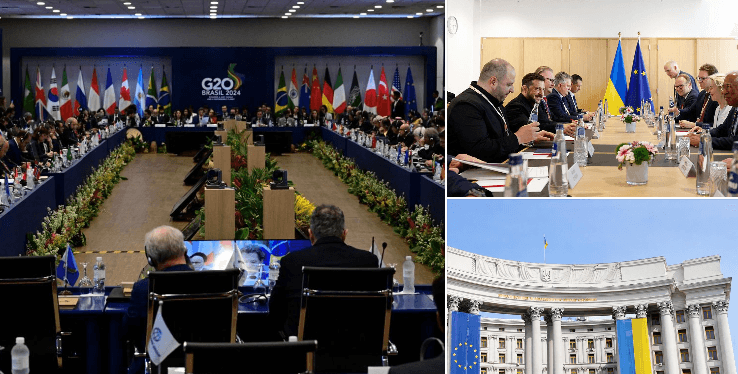
International economic forums are designed to bring governments together around shared challenges, but Russia's participation has become a source of renewed disagreement. On October 15, Germany warned against restoring Russia to a normal role within the Group of Twenty, citing continuing concerns over Moscow's war against Ukraine.
The disagreement comes as Russian Finance Minister Anton Siluanov participates in G20-related discussions in Bangkok. The distinction between attending a meeting and being fully reintegrated into international political cooperation is important: governments may interact within multilateral institutions while continuing to disagree over sanctions and diplomatic recognition.
Germany's position reflects a wider European argument that normalising Russia's international standing without meaningful progress on the conflict would weaken political pressure on Moscow. Other governments, however, may prioritise maintaining communication channels, particularly when discussions concern global economic risks that cannot easily be managed without major economies.
The stakes extend beyond symbolism. The G20 provides a forum for discussing financial stability, sovereign debt, international taxation, development finance and the effects of geopolitical shocks on trade. Disagreements between members can make coordinated responses more difficult, particularly when energy prices and sanctions are already affecting business decisions.
Ukraine's financial requirements add another dimension. European governments have committed substantial assistance, while discussions continue over how to sustain the country's public services, infrastructure and defence needs. Disputes over frozen Russian sovereign assets also raise complicated questions involving international law, ownership and the potential use of funds for reconstruction.
For emerging economies, the debate can create a difficult balancing act. Governments may want access to trade and investment opportunities while avoiding political choices that could damage relations with important partners.
The immediate challenge is whether international institutions can preserve practical cooperation without allowing participation to become a substitute for resolving the underlying conflict.
The broader lesson is that economic diplomacy cannot be entirely separated from security. When governments disagree over fundamental political questions, even technical discussions about finance and growth become more difficult.