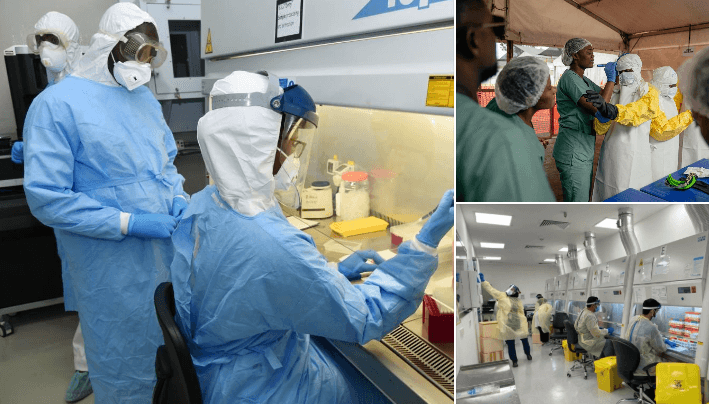
Kenya's reported Ebola infections have brought renewed attention to the importance of early detection and coordinated public-health action. Reporting published on October 15 indicated that Kenya's health authorities had confirmed a second infection in a relative of a man who died shortly after arriving from the Democratic Republic of the Congo. The relative was reportedly already in quarantine.
The information available in that report is an initial snapshot, not a complete assessment of the outbreak's size or trajectory. Authorities and international health agencies must establish the nature of the infections, identify possible contacts and determine whether transmission has occurred beyond the initially identified circle.
Ebola is a serious viral disease that can cause severe illness and death. Transmission generally occurs through direct contact with the blood or other bodily fluids of an infected person who is symptomatic, or with contaminated materials. Prompt identification and safe management of suspected cases are therefore critical.
Contact tracing allows public-health teams to identify people who may have been exposed, monitor their health and arrange rapid assessment if symptoms develop. Isolation facilities and protective equipment help reduce risks to families, clinical staff and other patients.
Clear communication is equally important. People need reliable information about symptoms, how to seek care and which official channels to follow. Unsupported rumours or exaggerated claims can undermine trust and discourage individuals from reporting possible exposure.
Kenya's response also highlights the importance of cooperation across borders. Human movement between neighbouring countries means surveillance cannot stop at administrative boundaries. Timely information-sharing, laboratory capacity and coordinated emergency planning can help authorities detect infections sooner.
It is too early to draw conclusions about the likely scale of this situation from a small number of reported cases alone. The decisive indicators will include whether additional infections are identified, how quickly contacts are reached and whether transmission can be interrupted.
Preparedness remains essential because the speed and quality of the initial response can shape the course of an outbreak.