الانتقال إلى المحتوى الرئيسي

جارٍ تحميل بيانات السوق المباشرة

DubaiUnited Arab Emirates
--:--:--جارٍ تحميل الطقس
LondonUnited Kingdom
--:--:--جارٍ تحميل الطقس
New YorkUnited States
--:--:--جارٍ تحميل الطقس
São PauloBrazil
--:--:--جارٍ تحميل الطقس
LagosNigeria
--:--:--جارٍ تحميل الطقس
JohannesburgSouth Africa
--:--:--جارٍ تحميل الطقس
CairoEgypt
--:--:--جارٍ تحميل الطقس
MumbaiIndia
--:--:--جارٍ تحميل الطقس
SingaporeSingapore
--:--:--جارٍ تحميل الطقس
TokyoJapan
--:--:--جارٍ تحميل الطقس
SydneyAustralia
--:--:--جارٍ تحميل الطقس
Mexico CityMexico
--:--:--جارٍ تحميل الطقس
بيانات السوق من ENOSIntel Markets

Iran Escalates Maritime Pressure as Global Shipping Faces Renewed Threats

Changing military tactics around the Strait of Hormuz raise fresh concerns over oil supplies, commercial vessels and international security.

يُعرض هذا التقرير بلغته الأصلية؛ لا تتوفر ترجمة بعد.

آخر تحديث: 2 min read0
الملخص

Growing maritime tensions involving Iran are threatening one of the world's most important energy corridors. New tactics targeting shipping routes could increase oil-market volatility and complicate international efforts to restore regional stability.

Article contextKey signals, sources and related coverage
Country
إيران
Sources recorded
0
Independent sources
0
Published
Last updated

International shipping security is facing renewed pressure as Iran reportedly intensifies efforts to disrupt maritime traffic around the Strait of Hormuz, a strategic waterway essential to global energy supplies. The latest developments are raising concerns among governments, shipping companies and energy markets about the economic consequences of prolonged instability in the Middle East.

According to a report by Reuters published on October 14, Iranian officials described changes in the country's maritime tactics, including expanded operations beyond the Strait of Hormuz into the Gulf of Oman and waters near Qatar and the United Arab Emirates. The report also described the use of small boats for surveillance following damage to Iranian radar capabilities during earlier military strikes.

The Strait of Hormuz is particularly important because a substantial share of internationally traded oil and other energy products normally passes through the narrow passage. Any sustained disruption can increase transportation costs, complicate tanker operations and create uncertainty for countries that depend heavily on imported fuel.

The consequences extend beyond the energy industry. Higher oil prices can contribute to inflation by increasing the cost of transportation, manufacturing and electricity. Shipping companies may also face higher insurance premiums or be forced to reconsider routes and schedules when security risks rise.

For governments, the challenge is to protect commercial vessels without triggering a wider military confrontation. Diplomatic negotiations, maritime monitoring and coordination among regional and international partners could all influence what happens next.

The situation remains fluid, and further developments will depend on military decisions, diplomatic contacts and the ability of international actors to reduce the risks facing commercial shipping.

With global energy markets already sensitive to geopolitical uncertainty, developments around the Strait of Hormuz are likely to remain a major international concern.
آخر تحديث: 14 أكتوبر 2026 في 4:21 ص

كيف أفادك هذا التقرير؟

اختر ردًا واحدًا. يمكنك تغييره أو إزالته في أي وقت.

ردود الفعل على المقال0

تُحفظ اختيارات المسجلين في الحساب. وتستخدم الاختيارات المجهولة ملف تعريف ارتباط يحمي الخصوصية؛ ولا تنشئ ENOSIntel بصمة للقراء.

التصحيحات والتحديثات

لم تُسجل تصحيحات عامة لهذا التقرير.

سياسة التصحيحاتالإبلاغ عن خطأ أو طلب مراجعة للحقوق

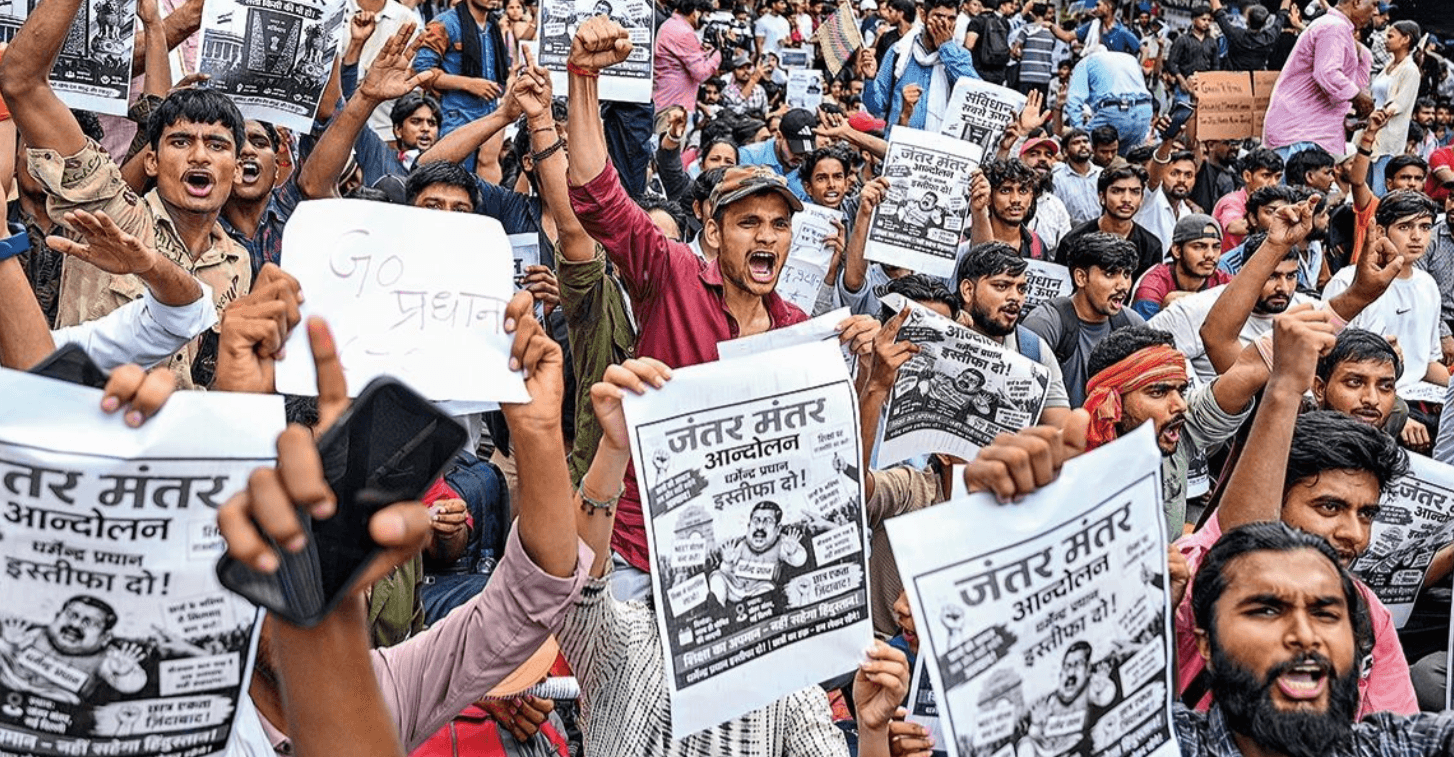
India Faces Growing Political Pressure as Youth-Led Protests Challenge Electoral Changes
السياسةIND

India Faces Growing Political Pressure as Youth-Led Protests Challenge Electoral Changes

اللغة الأصلية: الإنجليزية

India is experiencing growing political unrest as youth-led demonstrators and opposition groups question changes to electoral rolls. The dispute over voter registrations has intensified calls for accountability and placed election administration under renewed scrutiny.