The United States is approaching its November midterm elections amid a political environment shaped by dissatisfaction with the federal government, economic pressures and concerns about election security. A recent AP-NORC poll reported that a strong majority of surveyed voters believed President Donald Trump was underperforming at home and abroad, creating a potential challenge for Republicans seeking to defend their position in Congress.
Polling provides a snapshot of public opinion rather than a prediction of final results. The outcome will depend on turnout, the competitiveness of individual districts, candidate quality and the issues that motivate voters in the final weeks of the campaign.
Economic conditions are likely to remain important. Fuel prices, household expenses and perceptions of economic management can influence how voters assess the party in power. Foreign policy may also affect the campaign, particularly where international conflicts have consequences for energy costs, military commitments and relations with allies.
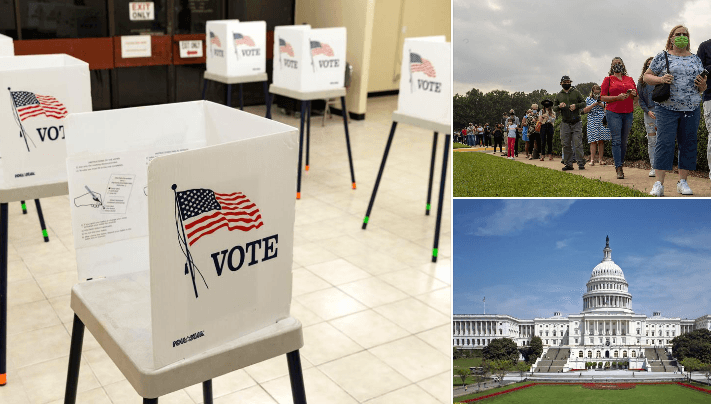
Election security has emerged as another concern. Federal authorities are investigating reports of letters containing suspicious substances sent to congressional and election offices. Authorities have urged recipients to treat such mailings as potentially hazardous. The investigation's findings will be essential in determining the source, intent and extent of the incidents.
Political disputes and legal challenges are also contributing to an atmosphere of heightened scrutiny. In such circumstances, accurate information about voting procedures, official investigations and verified election results becomes especially important.
The midterms will determine the composition of Congress and influence the administration's ability to advance legislation, oversee federal agencies and shape spending priorities. Even a relatively small shift in competitive districts can have significant consequences for the legislative agenda.
For voters, the most useful approach is to evaluate candidates' proposals, examine reliable local election information and distinguish documented facts from campaign claims.
The election is not simply a referendum on one political figure. It is also a test of how effectively political institutions respond to public concerns while maintaining confidence in the democratic process.