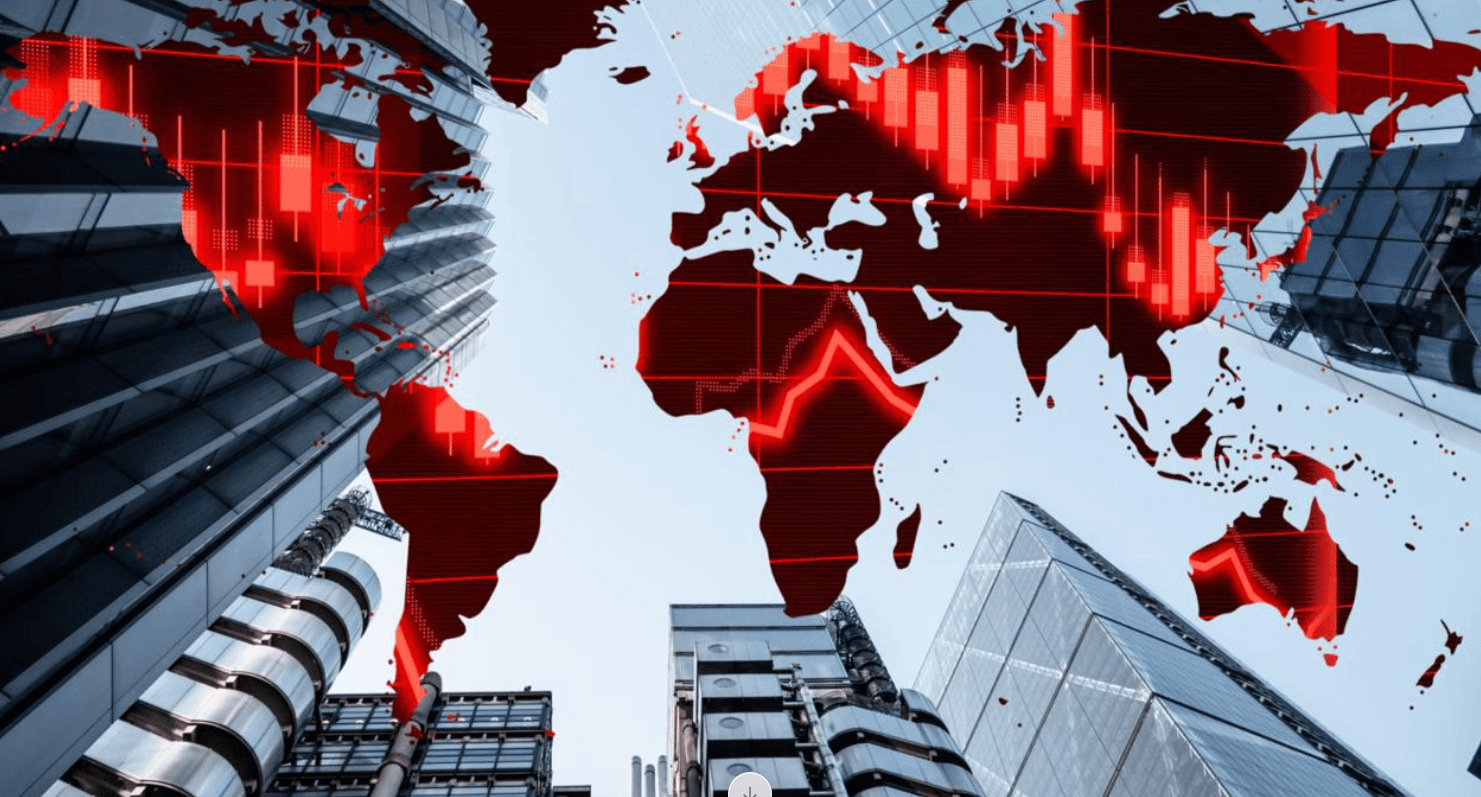
The International Monetary Fund has warned that the global economy faces significant risks from geopolitical conflict, rising debt and uncertainty surrounding the sustainability of the artificial intelligence investment boom.
In its latest World Economic Outlook, reported by Reuters on October 13, the IMF raised its forecast for global economic growth in 2026 to 3.1%, compared with its previous projection of 3.0%. The improved outlook reflects continued investment in artificial intelligence infrastructure and related technologies, which are supporting economic activity across several markets.
However, the organization cautioned that the positive outlook could deteriorate if current risks intensify. Prolonged conflict in the Middle East could disrupt energy supplies, keep oil prices elevated and increase inflationary pressure. Higher borrowing costs and growing public debt could further restrict the ability of governments to respond to economic shocks.
The IMF also highlighted the possibility of a sharp correction in AI-related investment. Technology spending has supported demand for computing infrastructure, advanced chips and data centres, but concerns remain about whether the resulting productivity gains and commercial returns will justify the scale of investment.
A significant slowdown in this sector could affect technology suppliers, investors and economies that have benefited from increased demand for AI hardware and infrastructure.
Developing economies may face additional challenges because higher energy costs, expensive borrowing and weaker external demand can place pressure on public finances and household purchasing power.
The IMF's assessment underscores the importance of policies that support financial stability, sustainable public finances and productive investment. Governments and businesses will need to prepare for the possibility that several risks could emerge simultaneously.
Although the institution does not predict a global recession in its central outlook, its warning highlights how quickly geopolitical and financial shocks could undermine confidence in the global recovery.