Artificial intelligence remains one of the most closely watched areas of the global economy, but investors are increasingly focused on the financial risks accompanying its rapid expansion. Recent market turbulence has demonstrated how quickly enthusiasm for AI-related businesses can turn into concern about debt, profitability and the scale of infrastructure spending.
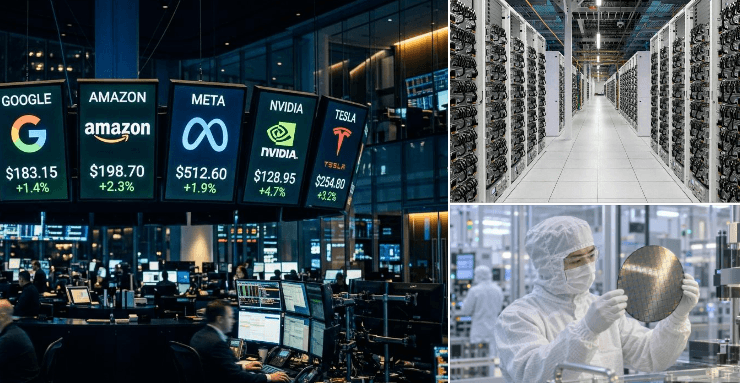
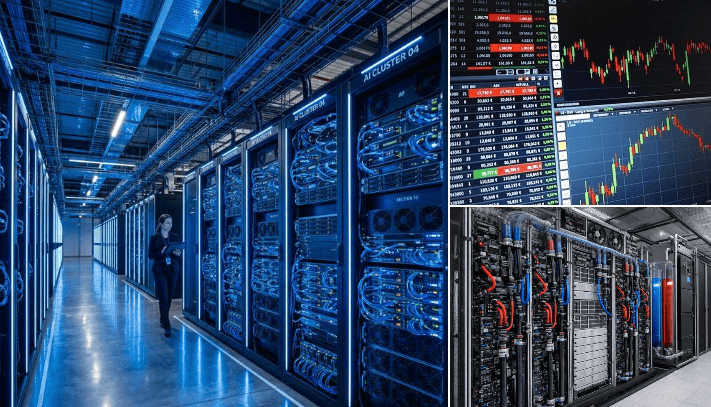
The industry requires enormous investments in computing facilities, advanced chips, electricity and cooling systems. Technology companies are committing capital to meet expected demand for AI services, while specialized cloud providers are borrowing heavily to finance new capacity. Those investments may create substantial long-term value, but they also increase exposure to higher interest rates and slower-than-expected customer growth.
A recent market selloff affected AI-linked equities, including South Korean technology shares, while concerns about the debt burden of specialized computing providers intensified. The pressure illustrates a distinction that investors sometimes overlook: rapid growth in demand for computing does not automatically translate into attractive returns for every company supplying it.
Businesses must ultimately demonstrate that customers will pay enough for AI products to cover the costs of development, infrastructure and operations. Competition could push prices lower even as usage increases. Meanwhile, improvements in computing efficiency might reduce the amount of infrastructure required for certain tasks.
For workers and consumers, the consequences are mixed. AI tools could improve productivity, accelerate research and create new services, but automation may also change employment patterns and increase demand for new skills.
Governments face additional questions involving electricity capacity, data security, competition and the concentration of technological power.
The central issue is not whether artificial intelligence will influence the economy. It is whether the investment cycle can mature into durable productivity gains without exposing financial markets to excessive concentration and borrowing risk. The next stage of the AI story may be decided as much by balance sheets as by technical breakthroughs.