Global technology markets are facing renewed pressure as investors reconsider the financial assumptions supporting the artificial intelligence boom.
Reports published on October 15 described a shift toward safer investments, including government bonds, following a sell-off in AI-related shares. South Korea's technology-heavy equity market was among the hardest hit, while concerns about highly indebted computing infrastructure providers added to market unease.
Reuters +1
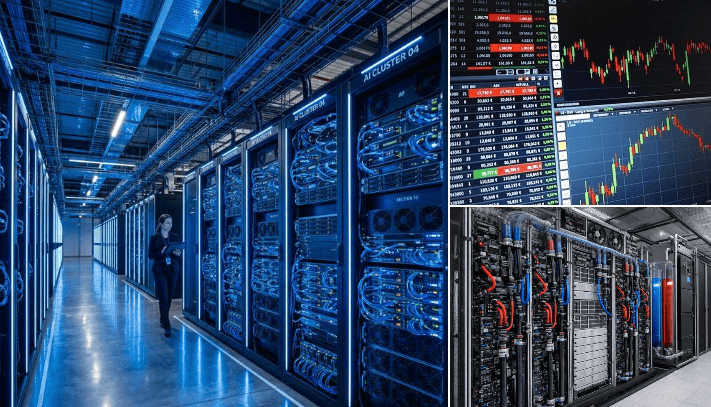
The concerns do not necessarily mean that demand for artificial intelligence is disappearing. Businesses continue to explore AI applications in software development, customer service, scientific research and industrial automation. The challenge for investors is determining whether the revenue generated by these applications will justify the enormous cost of data centers, specialized chips, electricity and network infrastructure.
Building AI capacity requires substantial upfront spending. Companies must secure financing, purchase expensive hardware and manage operating costs that can rise as computing demand expands. If customers adopt services more slowly than expected, or if competition pushes prices downward, returns may fall short of initial projections.
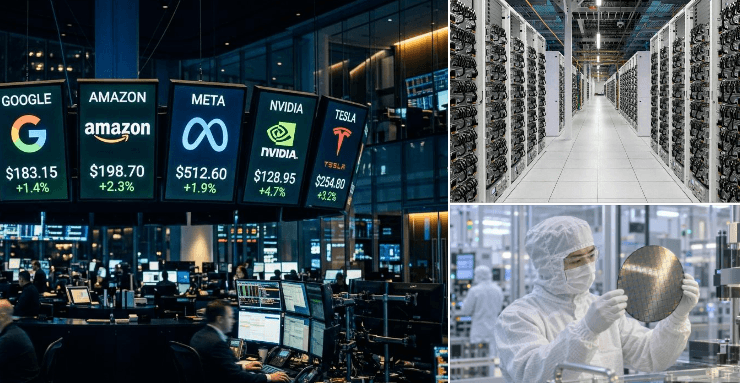
The risks extend across the technology supply chain. Semiconductor manufacturers, cloud providers, equipment suppliers and utilities can all be affected by changes in investment plans. Countries that have encouraged data-center construction may also need to consider electricity availability and infrastructure costs.
At the same time, a market correction could distinguish companies with sustainable business models from those relying heavily on optimistic forecasts. More disciplined spending could ultimately support healthier long-term growth.
Investors will be watching earnings, customer demand and borrowing costs for evidence of whether the sector can maintain its expansion. The larger question is how quickly AI can move from an expensive technological opportunity to a consistently profitable business.