Hoppa till huvudinnehållet

Läser in marknadsdata live

DubaiUnited Arab Emirates
--:--:--Läser in väder
LondonUnited Kingdom
--:--:--Läser in väder
New YorkUnited States
--:--:--Läser in väder
São PauloBrazil
--:--:--Läser in väder
LagosNigeria
--:--:--Läser in väder
JohannesburgSouth Africa
--:--:--Läser in väder
CairoEgypt
--:--:--Läser in väder
MumbaiIndia
--:--:--Läser in väder
SingaporeSingapore
--:--:--Läser in väder
TokyoJapan
--:--:--Läser in väder
SydneyAustralia
--:--:--Läser in väder
Mexico CityMexico
--:--:--Läser in väder
Marknadsdata från ENOSIntel Markets

AI Boom Faces a Reality Check as Investors Reassess Technology Valuations

Rising financing costs and questions about future returns are testing confidence in the companies building the next generation of artificial intelligence.

Rapporten visas på originalspråket; en översättning finns ännu inte.

Senaste uppdatering: 2 min read0
AI Boom Faces a Reality Check as Investors Reassess Technology Valuations
Sammanfattning

The debate around AI is shifting from what the technology might accomplish to whether current spending levels can produce sustainable commercial returns.

Article contextKey signals, sources and related coverage
Sources recorded
0
Independent sources
0
Published
Last updated

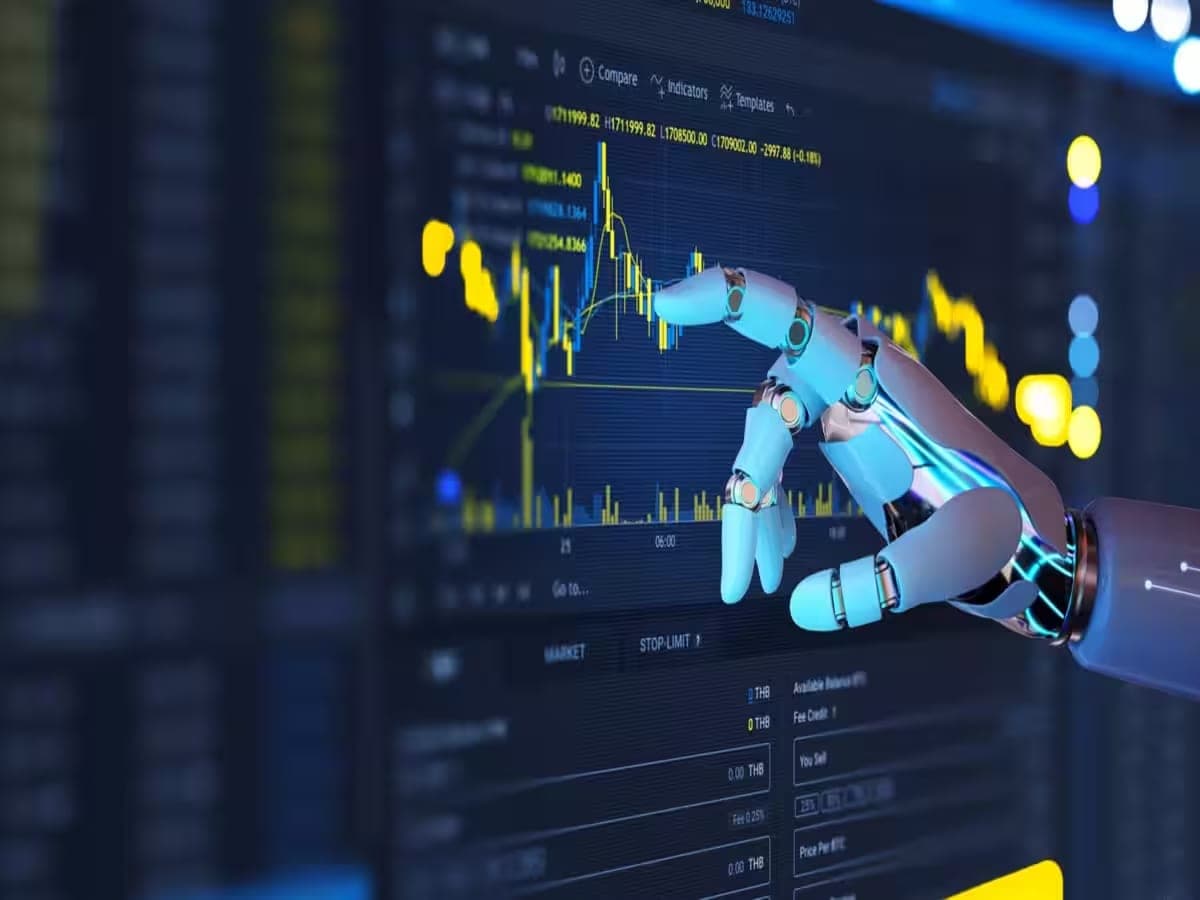
Artificial intelligence remains one of the most closely watched areas of the global economy, but investors are increasingly focused on the financial risks accompanying its rapid expansion. Recent market turbulence has demonstrated how quickly enthusiasm for AI-related businesses can turn into concern about debt, profitability and the scale of infrastructure spending.

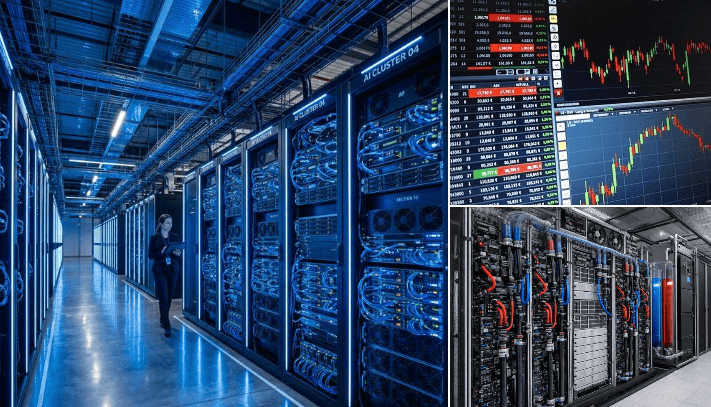
The industry requires enormous investments in computing facilities, advanced chips, electricity and cooling systems. Technology companies are committing capital to meet expected demand for AI services, while specialized cloud providers are borrowing heavily to finance new capacity. Those investments may create substantial long-term value, but they also increase exposure to higher interest rates and slower-than-expected customer growth.

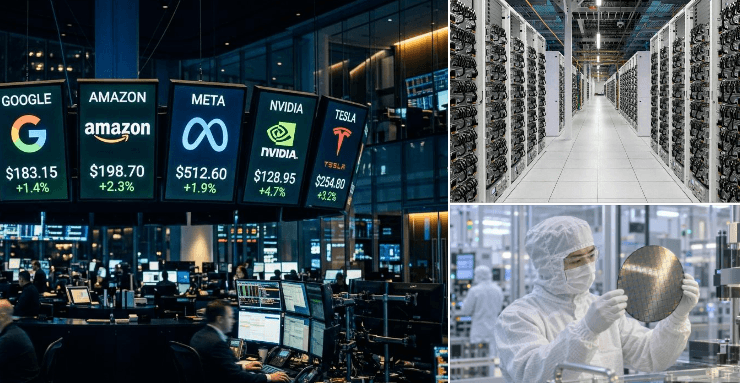
A recent market selloff affected AI-linked equities, including South Korean technology shares, while concerns about the debt burden of specialized computing providers intensified. The pressure illustrates a distinction that investors sometimes overlook: rapid growth in demand for computing does not automatically translate into attractive returns for every company supplying it.

Businesses must ultimately demonstrate that customers will pay enough for AI products to cover the costs of development, infrastructure and operations. Competition could push prices lower even as usage increases. Meanwhile, improvements in computing efficiency might reduce the amount of infrastructure required for certain tasks.

For workers and consumers, the consequences are mixed. AI tools could improve productivity, accelerate research and create new services, but automation may also change employment patterns and increase demand for new skills.

Governments face additional questions involving electricity capacity, data security, competition and the concentration of technological power.

The central issue is not whether artificial intelligence will influence the economy. It is whether the investment cycle can mature into durable productivity gains without exposing financial markets to excessive concentration and borrowing risk. The next stage of the AI story may be decided as much by balance sheets as by technical breakthroughs.

Senast uppdaterad: 16 oktober 2026 kl. 01:10

Hur hjälpte den här rapporten dig?

Välj ett svar. Du kan ändra eller ta bort det när som helst.

Artikelreaktioner0

Inloggade val kopplas till ditt konto. Anonyma val använder en integritetssäker cookie; ENOSIntel skapar inga läsarfingeravtryck.

Rättelser och uppdateringar

Inga offentliga rättelser har registrerats för rapporten.

RättelsepolicyRapportera ett fel eller begär rättighetsgranskning

AI-smarta glasögon och bärbara enheter står inför växande integritetstest när teknikbranschen ser bortom smartphones
Artificiell intelligensIntl.

AI-smarta glasögon och bärbara enheter står inför växande integritetstest när teknikbranschen ser bortom smartphones

Teknikindustrins sökande efter den enhet som så småningom kan efterträda smarttelefonen accelererar, med smarta glasögon och bärbara assistenter baserade på artificiell intelligens som lockar till sig växande investeringar. Men samma funktioner som gör dessa enheter kraftfulla – kameror, mikrofoner, kontinuerlig anslutning och AI-analys – skapar oro kring integritet, inspelning och samtycke.