الانتقال إلى المحتوى الرئيسي

جارٍ تحميل بيانات السوق المباشرة

DubaiUnited Arab Emirates
--:--:--جارٍ تحميل الطقس
LondonUnited Kingdom
--:--:--جارٍ تحميل الطقس
New YorkUnited States
--:--:--جارٍ تحميل الطقس
São PauloBrazil
--:--:--جارٍ تحميل الطقس
LagosNigeria
--:--:--جارٍ تحميل الطقس
JohannesburgSouth Africa
--:--:--جارٍ تحميل الطقس
CairoEgypt
--:--:--جارٍ تحميل الطقس
MumbaiIndia
--:--:--جارٍ تحميل الطقس
SingaporeSingapore
--:--:--جارٍ تحميل الطقس
TokyoJapan
--:--:--جارٍ تحميل الطقس
SydneyAustralia
--:--:--جارٍ تحميل الطقس
Mexico CityMexico
--:--:--جارٍ تحميل الطقس
بيانات السوق من ENOSIntel Markets

AI Boom Faces a Reality Check as Investors Reassess Technology Valuations

Rising financing costs and questions about future returns are testing confidence in the companies building the next generation of artificial intelligence.

يُعرض هذا التقرير بلغته الأصلية؛ لا تتوفر ترجمة بعد.

آخر تحديث: 2 min read0
AI Boom Faces a Reality Check as Investors Reassess Technology Valuations
الملخص

The debate around AI is shifting from what the technology might accomplish to whether current spending levels can produce sustainable commercial returns.

Article contextKey signals, sources and related coverage
Sources recorded
0
Independent sources
0
Published
Last updated

Artificial intelligence remains one of the most closely watched areas of the global economy, but investors are increasingly focused on the financial risks accompanying its rapid expansion. Recent market turbulence has demonstrated how quickly enthusiasm for AI-related businesses can turn into concern about debt, profitability and the scale of infrastructure spending.

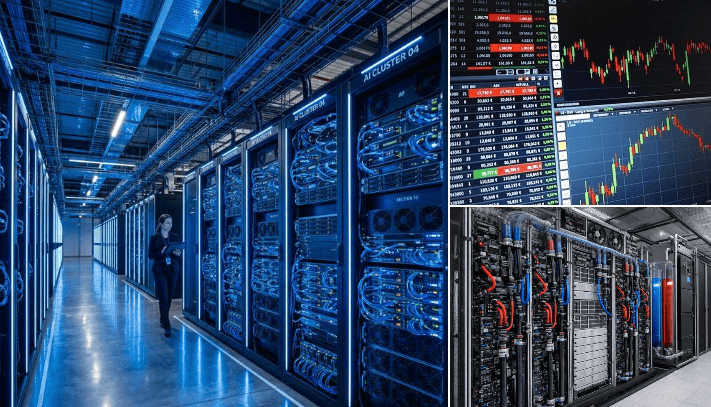
The industry requires enormous investments in computing facilities, advanced chips, electricity and cooling systems. Technology companies are committing capital to meet expected demand for AI services, while specialized cloud providers are borrowing heavily to finance new capacity. Those investments may create substantial long-term value, but they also increase exposure to higher interest rates and slower-than-expected customer growth.

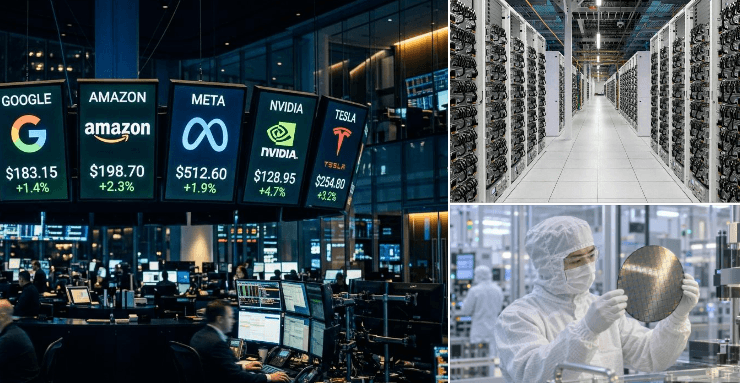
A recent market selloff affected AI-linked equities, including South Korean technology shares, while concerns about the debt burden of specialized computing providers intensified. The pressure illustrates a distinction that investors sometimes overlook: rapid growth in demand for computing does not automatically translate into attractive returns for every company supplying it.

Businesses must ultimately demonstrate that customers will pay enough for AI products to cover the costs of development, infrastructure and operations. Competition could push prices lower even as usage increases. Meanwhile, improvements in computing efficiency might reduce the amount of infrastructure required for certain tasks.

For workers and consumers, the consequences are mixed. AI tools could improve productivity, accelerate research and create new services, but automation may also change employment patterns and increase demand for new skills.

Governments face additional questions involving electricity capacity, data security, competition and the concentration of technological power.

The central issue is not whether artificial intelligence will influence the economy. It is whether the investment cycle can mature into durable productivity gains without exposing financial markets to excessive concentration and borrowing risk. The next stage of the AI story may be decided as much by balance sheets as by technical breakthroughs.

آخر تحديث: 16 أكتوبر 2026 في 1:10 ص

كيف أفادك هذا التقرير؟

اختر ردًا واحدًا. يمكنك تغييره أو إزالته في أي وقت.

ردود الفعل على المقال0

تُحفظ اختيارات المسجلين في الحساب. وتستخدم الاختيارات المجهولة ملف تعريف ارتباط يحمي الخصوصية؛ ولا تنشئ ENOSIntel بصمة للقراء.

التصحيحات والتحديثات

لم تُسجل تصحيحات عامة لهذا التقرير.

سياسة التصحيحاتالإبلاغ عن خطأ أو طلب مراجعة للحقوق

تواجه النظارات الذكية والأجهزة القابلة للارتداء المزودة بتقنية الذكاء الاصطناعي اختبارًا متزايدًا للخصوصية مع تطلع صناعة التكنولوجيا إلى ما هو أبعد من الهواتف الذكية.
الذكاء الاصطناعيIntl.

تواجه النظارات الذكية والأجهزة القابلة للارتداء المزودة بتقنية الذكاء الاصطناعي اختبارًا متزايدًا للخصوصية مع تطلع صناعة التكنولوجيا إلى ما هو أبعد من الهواتف الذكية.

يتسارع سعي قطاع التكنولوجيا لإيجاد الجهاز الذي قد يخلف الهاتف الذكي في نهاية المطاف، حيث تجذب النظارات الذكية المدعومة بالذكاء الاصطناعي والمساعدون القابلون للارتداء استثمارات متزايدة. إلا أن الميزات نفسها التي تجعل هذه الأجهزة قوية - كالكاميرات والميكروفونات والاتصال المستمر وتحليلات الذكاء الاصطناعي - تثير مخاوف بشأن الخصوصية والتسجيل والموافقة.

تفاؤل بشأن الذكاء الاصطناعي يدعم الأسواق العالمية مع استعادة أسهم التكنولوجيا لزخمها
الذكاء الاصطناعيCHN

تفاؤل بشأن الذكاء الاصطناعي يدعم الأسواق العالمية مع استعادة أسهم التكنولوجيا لزخمها

تلقت الأسواق العالمية زخماً جديداً من الحماس المتجدد المحيط بالذكاء الاصطناعي، حيث ارتفعت أسهم شركات التكنولوجيا مع مراقبة المستثمرين أيضاً لأسعار النفط والتطورات الجيوسياسية والمحادثات القادمة بين الولايات المتحدة والصين.