الانتقال إلى المحتوى الرئيسي

جارٍ تحميل بيانات السوق المباشرة

DubaiUnited Arab Emirates
--:--:--جارٍ تحميل الطقس
LondonUnited Kingdom
--:--:--جارٍ تحميل الطقس
New YorkUnited States
--:--:--جارٍ تحميل الطقس
São PauloBrazil
--:--:--جارٍ تحميل الطقس
LagosNigeria
--:--:--جارٍ تحميل الطقس
JohannesburgSouth Africa
--:--:--جارٍ تحميل الطقس
CairoEgypt
--:--:--جارٍ تحميل الطقس
MumbaiIndia
--:--:--جارٍ تحميل الطقس
SingaporeSingapore
--:--:--جارٍ تحميل الطقس
TokyoJapan
--:--:--جارٍ تحميل الطقس
SydneyAustralia
--:--:--جارٍ تحميل الطقس
Mexico CityMexico
--:--:--جارٍ تحميل الطقس
بيانات السوق من ENOSIntel Markets

AI Market Sell-Off Raises Questions About the Cost of the Technology Boom

Investors are reassessing debt, infrastructure spending and future returns as concerns grow over whether artificial intelligence investments can deliver sufficient profits.

يُعرض هذا التقرير بلغته الأصلية؛ لا تتوفر ترجمة بعد.

آخر تحديث: 2 min read0
AI Market Sell-Off Raises Questions About the Cost of the Technology Boom
الملخص

A sharp retreat in AI-linked equities is drawing attention to the financial risks behind the race to build increasingly powerful computing systems.

Article contextKey signals, sources and related coverage
Sources recorded
0
Independent sources
0
Published
Last updated

Global technology markets are facing renewed pressure as investors reconsider the financial assumptions supporting the artificial intelligence boom.

Reports published on October 15 described a shift toward safer investments, including government bonds, following a sell-off in AI-related shares. South Korea's technology-heavy equity market was among the hardest hit, while concerns about highly indebted computing infrastructure providers added to market unease.

Reuters +1

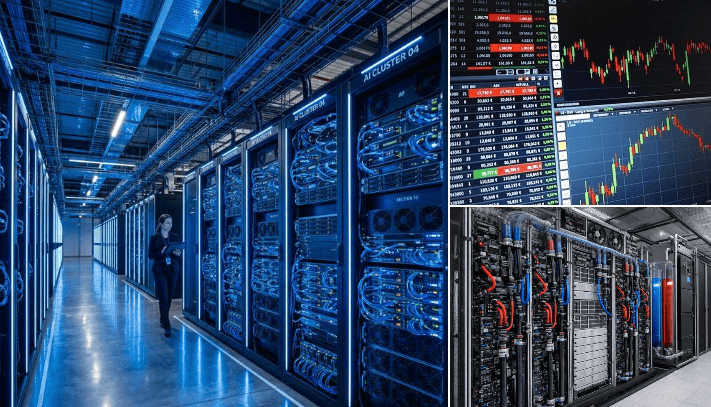
The concerns do not necessarily mean that demand for artificial intelligence is disappearing. Businesses continue to explore AI applications in software development, customer service, scientific research and industrial automation. The challenge for investors is determining whether the revenue generated by these applications will justify the enormous cost of data centers, specialized chips, electricity and network infrastructure.

Building AI capacity requires substantial upfront spending. Companies must secure financing, purchase expensive hardware and manage operating costs that can rise as computing demand expands. If customers adopt services more slowly than expected, or if competition pushes prices downward, returns may fall short of initial projections.

The risks extend across the technology supply chain. Semiconductor manufacturers, cloud providers, equipment suppliers and utilities can all be affected by changes in investment plans. Countries that have encouraged data-center construction may also need to consider electricity availability and infrastructure costs.

At the same time, a market correction could distinguish companies with sustainable business models from those relying heavily on optimistic forecasts. More disciplined spending could ultimately support healthier long-term growth.

Investors will be watching earnings, customer demand and borrowing costs for evidence of whether the sector can maintain its expansion. The larger question is how quickly AI can move from an expensive technological opportunity to a consistently profitable business.

آخر تحديث: 16 أكتوبر 2026 في 1:36 ص

كيف أفادك هذا التقرير؟

اختر ردًا واحدًا. يمكنك تغييره أو إزالته في أي وقت.

ردود الفعل على المقال0

تُحفظ اختيارات المسجلين في الحساب. وتستخدم الاختيارات المجهولة ملف تعريف ارتباط يحمي الخصوصية؛ ولا تنشئ ENOSIntel بصمة للقراء.

التصحيحات والتحديثات

لم تُسجل تصحيحات عامة لهذا التقرير.

سياسة التصحيحاتالإبلاغ عن خطأ أو طلب مراجعة للحقوق

AI Boom Faces a Reality Check as Investors Reassess Technology Valuations
الذكاء الاصطناعيIntl.

AI Boom Faces a Reality Check as Investors Reassess Technology Valuations

اللغة الأصلية: الإنجليزية

The debate around AI is shifting from what the technology might accomplish to whether current spending levels can produce sustainable commercial returns.

تواجه النظارات الذكية والأجهزة القابلة للارتداء المزودة بتقنية الذكاء الاصطناعي اختبارًا متزايدًا للخصوصية مع تطلع صناعة التكنولوجيا إلى ما هو أبعد من الهواتف الذكية.
الذكاء الاصطناعيIntl.

تواجه النظارات الذكية والأجهزة القابلة للارتداء المزودة بتقنية الذكاء الاصطناعي اختبارًا متزايدًا للخصوصية مع تطلع صناعة التكنولوجيا إلى ما هو أبعد من الهواتف الذكية.

يتسارع سعي قطاع التكنولوجيا لإيجاد الجهاز الذي قد يخلف الهاتف الذكي في نهاية المطاف، حيث تجذب النظارات الذكية المدعومة بالذكاء الاصطناعي والمساعدون القابلون للارتداء استثمارات متزايدة. إلا أن الميزات نفسها التي تجعل هذه الأجهزة قوية - كالكاميرات والميكروفونات والاتصال المستمر وتحليلات الذكاء الاصطناعي - تثير مخاوف بشأن الخصوصية والتسجيل والموافقة.

تفاؤل بشأن الذكاء الاصطناعي يدعم الأسواق العالمية مع استعادة أسهم التكنولوجيا لزخمها
الذكاء الاصطناعيCHN

تفاؤل بشأن الذكاء الاصطناعي يدعم الأسواق العالمية مع استعادة أسهم التكنولوجيا لزخمها

تلقت الأسواق العالمية زخماً جديداً من الحماس المتجدد المحيط بالذكاء الاصطناعي، حيث ارتفعت أسهم شركات التكنولوجيا مع مراقبة المستثمرين أيضاً لأسعار النفط والتطورات الجيوسياسية والمحادثات القادمة بين الولايات المتحدة والصين.